Curtis.Castiglione@ROzebra.com

2018 Ford Expedition Rear Collision Repair Guide
By Curtis Castiglione
If you have been rear-ended in a 2018 Ford Expedition, your first instinct might be to look at the plastic bumper cover and breathe a sigh of relief if it isn’t cracked. However, in the world of modern collision repair, the outer skin of the vehicle is often the most misleading indicator of damage.
The 2018 Ford Expedition is a sophisticated machine featuring an aluminum-alloy body and a high-strength steel frame. Because of how these materials manage energy, a seemingly minor fender bender can involve complex structural repairs, sensor calibrations, and significant insurance supplements.
Why did my estimate change after the bumper was removed?
It is common for an initial insurance estimate to increase—sometimes by thousands of dollars—once the vehicle is at the repair shop. This is not necessarily because the shop is upselling, but because of a process called the teardown.
Modern bumpers are made of plastic (polypropylene) designed to flex and return to their original shape. While the outside looks fine, the components beneath it are designed to sacrifice themselves to protect the occupants:
- The Energy Absorber: A foam or plastic piece that crushes on impact to dissipate energy.
- The Reinforcement Bar: A metal beam that transfers energy to the frame.
- Mounting Brackets: These can snap or bend, even in low-speed impacts, compromising future safety.
Once the bumper is removed, the shop often finds hidden damage. When this happens, the shop submits a supplement—a request to the insurance company for additional parts and labor. This is a standard part of the repair process for an Expedition.
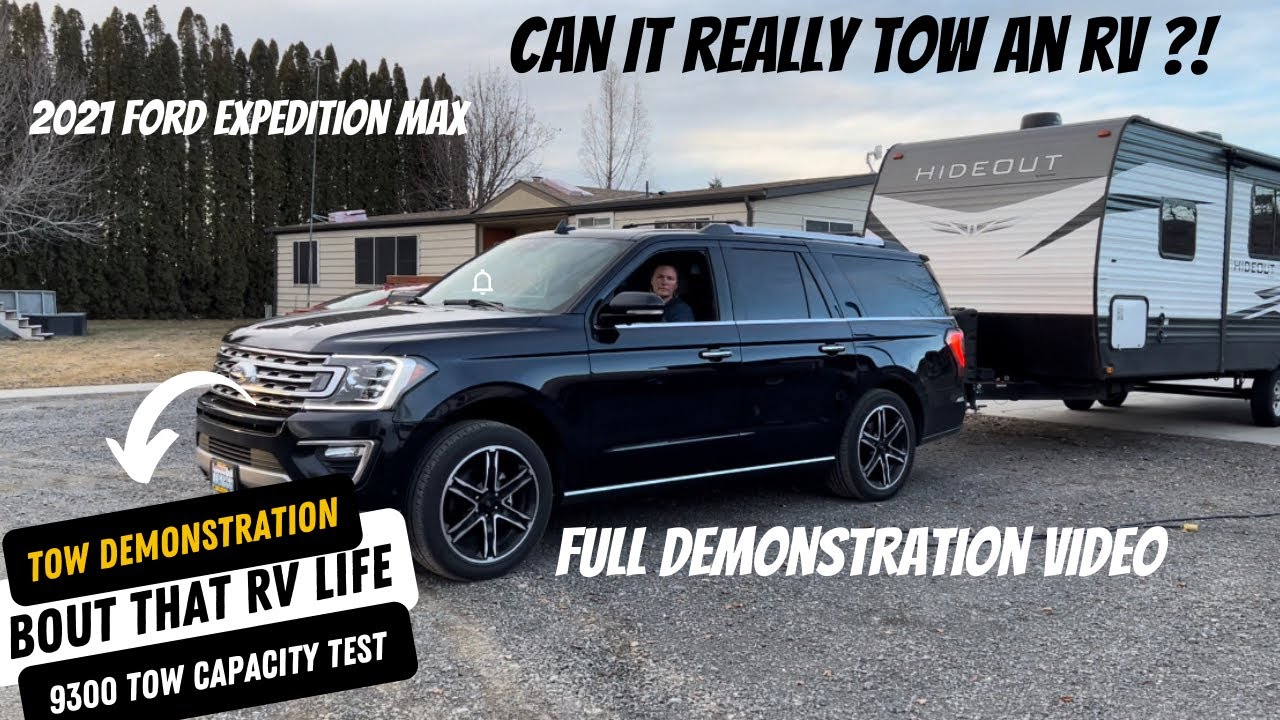
Why does a trailer hitch make a collision more complicated?
If your Expedition is equipped with a factory or aftermarket trailer hitch, a rear-end collision changes from a cosmetic bumper hit to a structural concern.
Normally, the bumper system absorbs the energy of an impact. However, a trailer hitch is bolted directly to the vehicle’s high-strength steel frame rails. When a vehicle strikes the hitch, that energy bypasses the bumper’s absorption system entirely and is sent directly into the frame.
What this means for your repair:
- Frame Inspection: The shop must measure the frame using a three-dimensional electronic measuring system to check for sway or diamond conditions.
- Hidden Stress: Even if the hitch looks straight, the bolts may have sheared or the frame mounting points may have buckled.
- Insurance Coverage: Most policies cover the replacement of a damaged hitch and the cost of frame measurements, but these mechanical diagnostic steps must be specifically documented by the technician to be approved.
The Aluminum Liftgate: Why pulling is not always an option
The 2018 Expedition features an aluminum liftgate. Aluminum is lighter and more fuel-efficient than steel, but it reacts differently to stress. Unlike steel, which has a certain amount of memory and can often be pulled back into shape, aluminum tends to crack or stretch when deformed.
If your liftgate does not close properly or has uneven gaps (the space between the door and the body), it could indicate two things:
- Damaged Liftgate: The aluminum shell itself is distorted and likely needs replacement to meet factory standards.
- Shifted Rear Body Opening: The D-pillars or the rear floor pan may have shifted by even a few millimeters.
Adjusting the latch to make the door shut is a band-aid fix. A proper repair requires restoring the structural opening to factory specifications so the liftgate seals correctly and remains safe in future impacts.
Does insurance cover the recalibration of sensors and cameras?
Modern Expeditions are equipped with Advanced Driver Assistance Systems (ADAS). In the rear of the vehicle, this typically includes:
- Backup Cameras: Located in the liftgate.
- Ultrasonic Parking Sensors: The small circles visible in the bumper.
- Blind Spot Information System (BLIS): Radar units often hidden behind the corners of the bumper cover.
Insurance policies generally cover necessary repairs to return the vehicle to its pre-accident condition. Ford’s manufacturer procedures require that if these sensors are removed or the mounting area is disturbed, they must be calibrated.
A radar sensor that is off by just one degree can fail to detect a vehicle in your blind spot. This is why a pre-repair scan (to find hidden fault codes) and a post-repair calibration are non-negotiable safety steps that should be included in the insurance claim.

Who decides if OEM or aftermarket parts are used?
This is a common point of friction between owners and insurance companies.
- OEM (Original Equipment Manufacturer): Parts made by Ford.
- Aftermarket or LKQ (Like Kind and Quality): Parts made by third parties or recycled from other vehicles.
The decision is primarily dictated by your insurance policy language and state regulations. While Ford recommends using OEM parts for structural components and aluminum panels to ensure proper fit and crash-worthiness, some policies allow for aftermarket alternatives to keep costs down.
However, for a vehicle like the 2018 Expedition, certain components—specifically the ADAS sensors and complex aluminum stampings—may not have reliable aftermarket alternatives. You should review your policy or speak with your claims representative to understand your specific coverage. If you prefer only OEM parts and your policy does not cover them, you may be responsible for the price difference.
Practical steps for the vehicle owner
If you are navigating a claim for a rear-end collision, follow these practical steps to ensure a quality repair:
- Request a Teardown: Do not authorize final repairs based on a drive-by estimate. Ensure the shop removes the bumper to inspect the hitch, reinforcement bar, and frame.
- Identify Towing Equipment: Explicitly tell the estimator if the vehicle was struck on the hitch. This triggers a specific structural inspection.
- Ask About Calibration: Confirm that the shop will perform a diagnostic scan and calibrate the blind-spot and parking systems.
- Check Gaps and Seals: When picking up the vehicle, check that the liftgate gaps are uniform. The power-close feature should operate smoothly without straining or making unusual noises.
- Review the Supplement: Ask the repair facility for a copy of the final supplement to see exactly what hidden damage was found and repaired. This documentation is vital for your vehicle’s history and resale value.
The Bottom Line: A 2018 Ford Expedition is a high-tech, multi-material vehicle. Ensuring it is repaired correctly requires more than a quick paint job—it requires a thorough structural and electronic diagnostic process to ensure the vehicle protects you the same way in the next accident as it did in this one.
Disclaimer: Insurance policies and state laws vary. You should always review your specific policy and consult with a qualified collision repair professional or your insurance representative regarding coverage and repair procedures.



No Comments Yet
Be the first to comment on this article.