Curtis.Castiglione@ROzebra.com
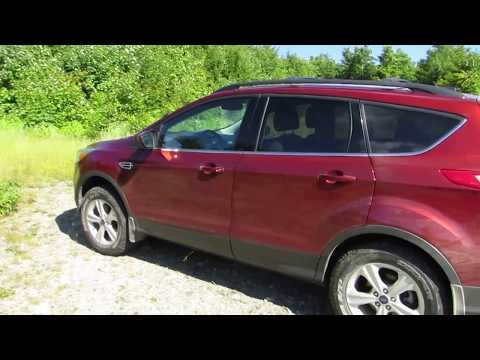
2018 Ford Escape Rear-End Collision Damage Guide
If you drive a 2018 Ford Escape and have been involved in a low-speed rear-end collision, your first thought was likely, "It does not look that bad." The plastic bumper might only show a few scratches or a small crack.
However, it is common for a 1,200 dollar initial insurance estimate to triple or quadruple once the vehicle is inside a repair stall. This is not necessarily a sign of a dishonest shop; rather, it is a result of how modern vehicles are engineered to protect passengers by sacrificing internal components. In this article, we will look at why a 2018 Ford Escape’s rear-end damage is rarely skin-deep and what happens during the repair process that changes the final cost.
Why Did My Initial Estimate Change?
The most common question owners ask is: "Why did the price go up after I already got an estimate?"
Insurance adjusters typically perform what is known as a visual-only estimate. They document the damage that can be seen without taking the car apart. Because insurance companies generally do not pay for assumed damage, they wait for physical proof of hidden issues before issuing payment.
The real repair process begins with a teardown. Once the plastic bumper cover is removed, the shop can inspect the hidden safety and mechanical components. When new damage is found, the shop submits a supplement—a request for additional funds and parts—to the insurance company. This is a standard procedure in the collision industry.
The Illusion of the Bumper Cover
On a 2018 Ford Escape, the part you see on the outside is the bumper cover. It is a flexible plastic skin designed for aesthetics and aerodynamics.
- The Memory Effect: Plastic covers often "pop" back into their original shape after an impact, hiding the damage underneath.
- The Bumper Reinforcement: Behind the plastic is a heavy metal bar bolted to the vehicle’s unibody. This is the actual safety component. If this bar is even slightly bent, its structural integrity is compromised, and it must be replaced to ensure it can protect you in a future accident.
- Mounting Points: The force of the impact travels through the reinforcement bar into the rear body panel. If the hit was hard enough, the metal of the car's body may be buckled or pulled, requiring a frame rack to pull the metal back into alignment so new parts will fit.
Hidden Damage: The Exhaust System
The 2018 Ford Escape features an exhaust system that sits in close proximity to the rear bumper assembly. During a collision, the exhaust can be shoved forward (longitudinal) or sideways (lateral).
Even if you do not hear a loud leak, the exhaust may have sustained significant stress. An exhaust that has been pushed sideways can develop stress at a hanger or connection even when there is no obvious hole.
- Stress at the Hangers: The rubber hangers that hold the pipe can stretch or tear.
- Manifold and Sensor Stress: When the muffler is pushed forward, it puts pressure on the exhaust manifold and the sensitive oxygen sensors located closer to the engine.
- Cracked Welds: The impact can create hairline fractures in the muffler or tubing that may not fail immediately but will lead to rust and failure shortly after the repair.

Sensors, Wiring, and ADAS Technology
Modern Fords are essentially computers on wheels. Most 2018 Escapes are equipped with rear parking sensors, and many have Blind Spot Information Systems (BLIS) or Cross-Traffic Alert.
- Fragile Mounts: The sensors are often held in place by thin plastic clips. A small bump can snap these mounts, causing the sensor to fall inside the bumper.
- Pinched Wiring: The wiring harness for these sensors runs directly behind the reinforcement bar. It is very easy for these wires to be crushed, stretched, or disconnected during an impact.
- The Need for Calibration: Ford often requires a diagnostic scan before and after the repair. If a sensor is replaced or the bumper is removed, the system may need to be recalibrated to ensure it accurately measures distances. This requires specialized software and labor time that is rarely included in a preliminary parking lot estimate.
Understanding Parts: OEM vs. Aftermarket
Your insurance policy—not the repair shop—usually dictates what kind of parts are used. While the shop performs the work, the insurance company's "prevailing competitive price" and policy language determine if they will pay for:
- OEM (Original Equipment Manufacturer): Parts made by Ford.
- Aftermarket: Parts made by a third-party company.
- Recycled: Used parts taken from a donor vehicle.
For a 2018 model, many insurers will suggest aftermarket covers or recycled reinforcements. However, for electronic components and safety-critical items like the reinforcement bar, Ford has specific position statements regarding the use of non-OEM parts. You should ask your shop what types of parts are being quoted and how they affect the vehicle’s fit, finish, and safety systems.
Practical Steps for the Vehicle Owner
If you are navigating a rear-end claim for your Ford Escape, follow these steps to ensure a complete repair:
- Ask for a Teardown: Ensure the shop removes the bumper cover before they finalize the repair plan.
- Request a Diagnostic Scan: Ask the shop for a Pre-Repair Scan and a Post-Repair Scan. This provides a digital health report of your vehicle’s electronics.
- Check the Exhaust: Specifically ask the technician if they checked the exhaust hangers, mounting brackets, and the alignment of the muffler.
- Review Rental Coverage: Because hidden damage and supplements can add several days or weeks to a repair while waiting for parts and insurance approvals, check your policy’s rental car reimbursement limits.
- Choose Your Shop: In almost all jurisdictions, you have the legal right to choose your repair facility. Choose a shop that is transparent about the supplement process and follows manufacturer-recommended procedures.
Summary
A bumper replacement on a 2018 Ford Escape is rarely just a cosmetic fix. Because of the way the exhaust, reinforcement bar, and parking sensors are integrated, what looks like a minor scratch can actually be a complex mechanical and electronic repair. Always prioritize a professional teardown and electronic diagnostic scan to ensure your vehicle is returned to its pre-accident safety standards.
Written by Curtis Castiglione
Disclaimer: Insurance coverage and state laws vary. Review your specific policy and consult with a qualified collision professional for a complete inspection of your vehicle.



No Comments Yet
Be the first to comment on this article.