Curtis.Castiglione@ROzebra.com
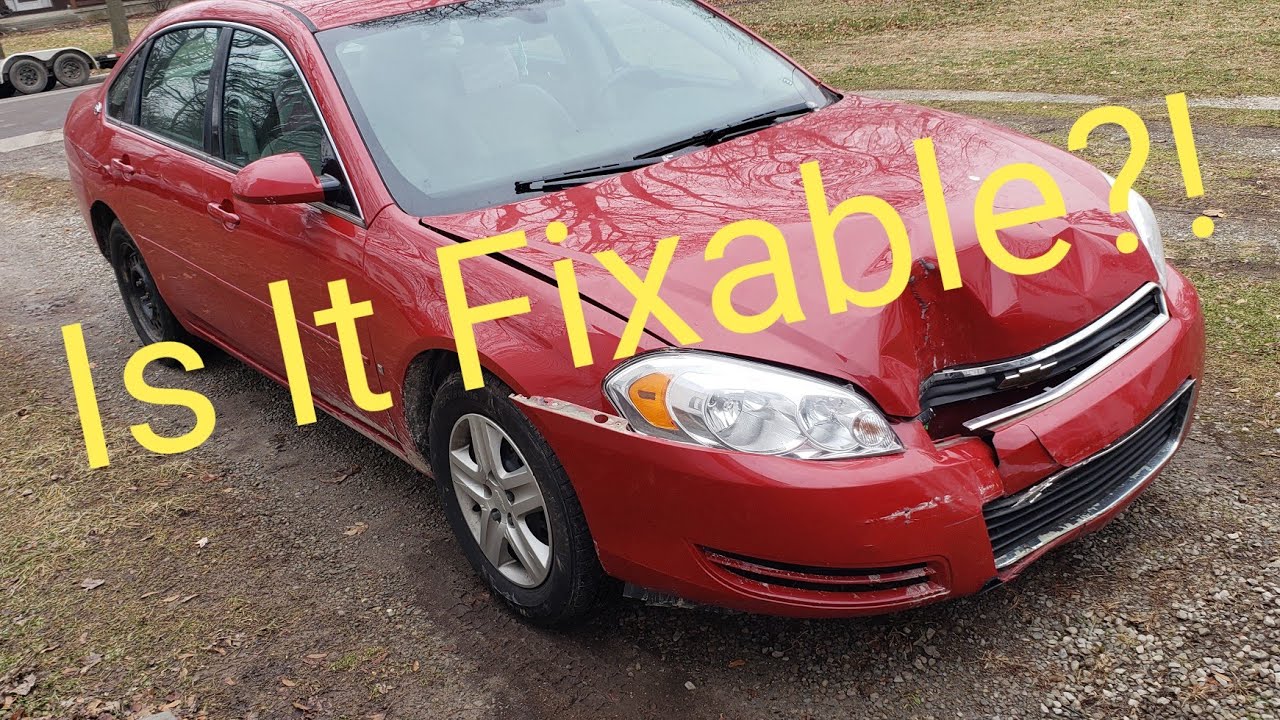
2018 Chevrolet Impala Front Collision and Hidden Repair Costs
By Curtis Castiglione
It is a common and often frustrating experience: you are involved in a minor front-end collision in your 2018 Chevrolet Impala, the insurance adjuster writes an initial estimate for a bumper repair, and then—two days after dropping the car at the body shop—you receive a phone call stating the repair cost has doubled or even tripled.
From the outside, your Impala might look relatively intact. However, modern vehicle engineering prioritizes sacrificial components designed to absorb energy. On the 2018 Impala, the components you cannot see—the radiator support, the cooling stack, and the hood latch assembly—are often the first to fail, even in a low-speed impact.
The Deceptive Nature of Modern Bumper Covers
The plastic component you see on the outside of your car is technically a bumper cover. It is made of flexible polyolefin or similar plastics designed to withstand minor abrasions and then pop back into shape.
The danger is that while the plastic cover might look fine, the structural components underneath do not have that same flexibility. When a 2018 Impala hits an object, the energy travels through the cover and into the radiator support. Because the cover is flexible and the support is rigid, the internal damage is often masked until the vehicle is disassembled.
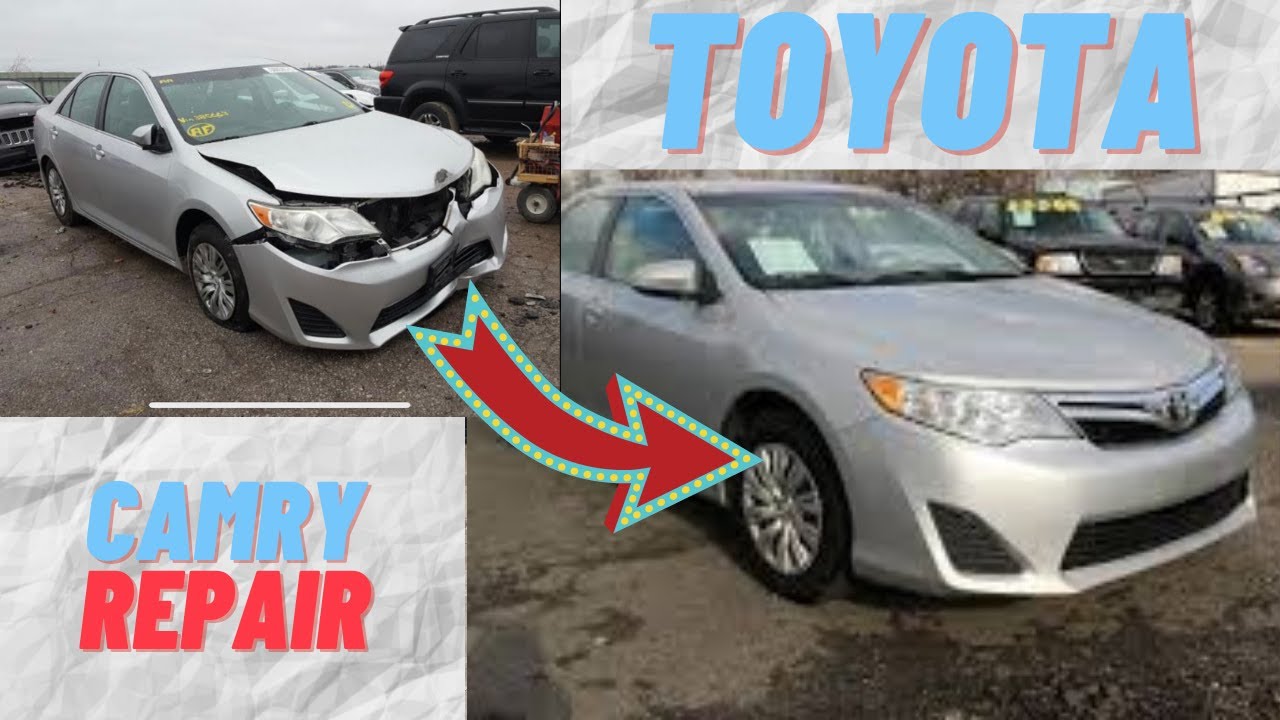
The Radiator Support: The Skeleton of the Front End
The radiator support on a 2018 Impala is a critical structural framework. It does not just support the radiator; it acts as the mounting point for:
- Headlamp assemblies
- The hood latch and striker
- Cooling fans
- The A/C condenser
- Ambient air temperature sensors
In this model year, the support is often a hybrid of metal and composite materials. Unlike the heavy steel frames of the past, these components are designed to break or crack to dissipate crash energy. If the support is even slightly displaced (moved by as little as 5mm), your headlights may not aim correctly, and your hood may not latch safely. These components generally cannot be straightened—they must be replaced to restore the vehicle’s factory safety standards.
The Cooling Stack and Hidden Mechanical Damage
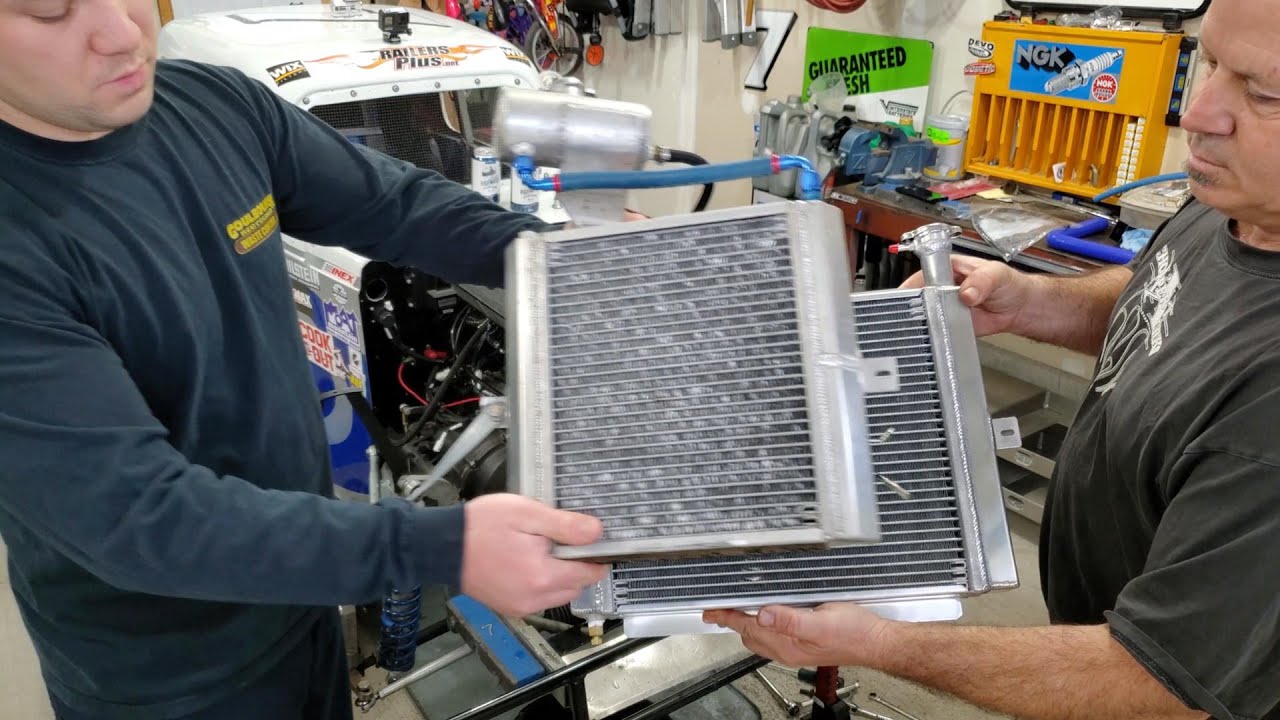
Directly behind the bumper sits the cooling stack. This is a layered sandwich of the A/C condenser, the engine radiator, and often an oil cooler or transmission cooler.
- Bowing vs. Leaking: A radiator does not have to leak to be considered failed. In many front-end hits, the radiator will bow or bend. While it may still hold coolant today, the structural integrity of the aluminum cooling fins is compromised. Under the high pressure of summer driving, a bowed radiator is a ticking time bomb for an engine overheat.
- Air Shutters and Brackets: The 2018 Impala utilizes active grille shutters and various plastic air deflectors to manage airflow and improve fuel economy. These small plastic parts are fragile and frequently snap during an impact. If they are not replaced, your Check Engine light may trigger due to aerodynamic or cooling inefficiencies.
Understanding the Insurance Supplement Process
If your initial estimate changed, it is likely due to the supplement process. It is important to distinguish between the initial visual estimate and the final repair bill.
- The Visual Estimate: Most insurance adjusters write a field estimate based only on what they can see without taking the car apart. They are generally not permitted to guess at hidden damage.
- The Teardown (Blueprinting): Once the car is at the shop, a technician performs a teardown. They remove the bumper cover and impact bar to inspect the radiator support and cooling components.
- The Supplement: The shop then submits a supplement to the insurance company. This is an additional request for parts, labor, and fluids (like coolant or A/C refrigerant) discovered during the teardown.
This is a standard part of collision repair. It does not necessarily mean the insurance company was lowballing you or the shop is upselling you; it is simply the reality of modern automotive diagnostics.
Why Hood Latch Alignment is a Safety Priority
One of the most overlooked risks in a front-end collision is the hood latch. If the radiator support has shifted or the latch bracket is bent, the hood may appear closed when it is only caught on the secondary safety catch.
A professional repair requires checking for:
- Consistent Gaps: Are the spaces between the hood and the fenders even on both sides?
- Proper Engagement: Does the latch click twice and release smoothly?
- Sway Correction: If the front structure has swayed to one side, it must be pulled back to factory specifications using a frame rack before new parts are bolted on.

Modern Sensors and ADAS
Even a 2018 model may be equipped with various sensors. Impact sensors for the airbag system and ambient temperature sensors are often mounted to the very parts that get damaged in a front-end hit. If these sensors are moved or their mounting brackets are cracked, the vehicle’s computer system may require a diagnostic scan and calibration to ensure the safety systems remain functional.
Failure to address these can lead to dashboard warning lights or, more critically, the failure of safety systems to deploy correctly in a subsequent accident.
Practical Steps for the Vehicle Owner
If you are managing a claim for a 2018 Impala front-end hit, keep the following in mind:
- Request Photos: Ask your repair facility for teardown photos. Seeing a cracked radiator support or a bent condenser makes it much easier to understand why the repair cost increased.
- OEM vs. Aftermarket: Radiator supports and cooling components are precision parts. Inquire whether your insurance policy allows for Original Equipment Manufacturer (OEM) parts, as aftermarket fitment in these tight areas can sometimes be problematic.
- Check Your Policy: Insurance coverage varies by state and by company. Review your policy to see how hidden damage and supplemental repairs are handled. Some policies may have specific requirements for how supplements are approved.
- Don't Rush the Process: A proper repair that includes structural alignment and cooling system pressure testing takes more time than a simple hang and paint bumper job.
The Bottom Line: If your 2018 Impala estimate increased after the bumper was removed, it is likely because the technician found damage to the skeleton of the front end. Prioritizing the repair of the radiator support and cooling system is not just about aesthetics—it is about ensuring your vehicle is safe to drive and will not leave you stranded with an overheated engine months down the road. Always consult with your repair facility and insurance adjuster to ensure all necessary mechanical and structural procedures are included in the final repair plan.



No Comments Yet
Be the first to comment on this article.