Curtis.Castiglione@ROzebra.com

2017 Toyota Tacoma: Steering and Alignment Collision Repair Guide
Written by: Curtis Castiglione
If you own a 2017 Toyota Tacoma and have been involved in a front-corner collision, you may be looking at your truck and thinking the damage is limited to a scuffed bumper and a dented fender. However, in the world of modern collision repair, what you see on the surface is rarely the whole story.
A common surprise for many Tacoma owners is discovering that a minor body claim has evolved into an expensive mechanical repair involving the steering rack, tie rods, and electronic calibrations.
Does Insurance Cover Steering Rack and Tie Rod Damage?
The most common question owners ask is: "Will my insurance company pay for mechanical steering parts if the impact was on the outside of the truck?"
Generally, the answer is yes. If the mechanical failure or damage was caused by the collision, it is covered under your collision coverage. However, there is a catch. Insurance companies distinguish between accident-related damage and wear and tear. If your steering rack was already leaking or your tie rods were loose due to high mileage before the accident, the insurer may deny that portion of the claim.
To get these repairs covered, your repair facility must document how the impact energy traveled from the point of contact (usually the wheel or tire) into the steering components.

The Energy Path: How a Bumper Hit Becomes a Steering Failure
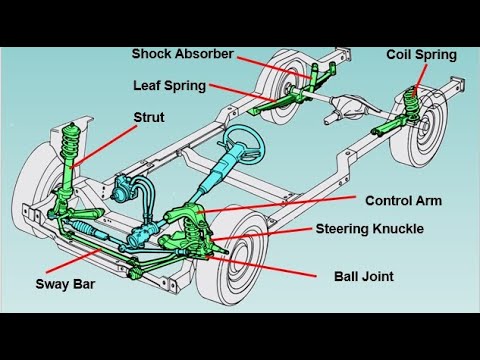
To understand why your steering rack might be broken, you have to look at the "Energy Path." In a front-corner impact on a Toyota Tacoma, the force of the collision follows a specific route:
- The Tire and Wheel: This acts as a lever.
- The Steering Knuckle: The part that holds the wheel.
- Tie Rods (Outer and Inner): These connect the knuckle to the steering rack.
- The Steering Rack: The heart of the system that translates your steering wheel's turn to the tires.
Because the 2017 Tacoma uses a rack-and-pinion system, a hard jolt to the front tire can shock the internal gears of the rack or bend the inner tie rods—which are hidden behind rubber boots. This is why a truck can look perfectly straight sitting in your driveway, yet feel notched or heavy when you try to turn.
Why the Initial Estimate is Often Wrong
It is a standard industry practice for insurance adjusters to write a preliminary estimate. This is based only on what is visible during a walk-around. Because steering components are tucked away behind the wheels and plastic liners, they are rarely included in the first check you receive.
The real work begins during the teardown. Once the shop removes the damaged fender and bumper, they can perform a mechanical inspection. If they find damage, they will submit a supplement—a request for additional funds—to the insurance company. This is a normal part of the process, but it can extend the repair time.

The Role of the Alignment Machine
A wheel alignment is not just a final adjustment; it is a vital diagnostic tool. If a technician cannot get your Tacoma back within Toyota's factory specifications, it is a mathematical "smoking gun" that something is bent.
- Common Mistake: Accepting a vehicle where the technician maxed out the adjustments to make the numbers look green on the screen.
- The Fix: Always ask for the before and after alignment printout. If the before readings show significant Camber or Caster issues, it proves that structural or steering components (like the lower control arm or steering knuckle) were moved by the impact.
Modern Technology: SAS and ADAS
Repairing a 2017 Tacoma is more complex than repairing a truck from twenty years ago. Modern Tacomas are equipped with a Steering Angle Sensor (SAS). This sensor tells the truck's computer exactly how much you are turning the wheel.
If you replace a steering rack or even just perform a significant alignment, the SAS must be recalibrated. Furthermore, if your truck features Advanced Driver Assistance Systems (ADAS)—like lane departure alerts—a misaligned steering system can cause these safety features to fail or trigger ghost braking events.
Parts: OEM vs. Aftermarket
Insurance policies vary by state and provider, but many allow for the use of LKQ (Like Kind and Quality) or aftermarket parts.
- OEM (Original Equipment Manufacturer): Parts made by Toyota.
- Aftermarket/Recycled: Parts made by third parties or salvaged from other vehicles.
Because steering is a safety-critical system, many manufacturers recommend only using new OEM parts for steering racks. You should review your policy and speak with your shop about the risks of using recycled steering components, as a used rack may have unknown internal stress from a previous donor vehicle's accident.
Checklist: What to Ask Your Repair Shop
If your Tacoma is in the shop for front-end damage, do not sign off on the repairs until you have asked these four questions:
- Was the tie rod checked? (Both inner and outer rods should be inspected for bends).
- Was the steering rack inspected for leaks or play?
- Can I see the before and after alignment readings?
- Was the Steering Angle Sensor (SAS) recalibrated?
Final Thoughts
A 2017 Toyota Tacoma is a rugged truck, but its steering system is a precision instrument. If you feel a vibration, a pull, or notice your steering wheel is off-center after an accident, do not ignore it. These are signs of mechanical damage that, if left unaddressed, can lead to premature tire wear or, in the worst-case scenario, a loss of steering control.
Always consult with a qualified collision professional and ensure that every supplemental mechanical repair is documented for your insurance claim. Record-keeping is your best defense if you decide to sell the vehicle later or if you need to discuss diminished value with your insurer.



No Comments Yet
Be the first to comment on this article.