Curtis.Castiglione@ROzebra.com
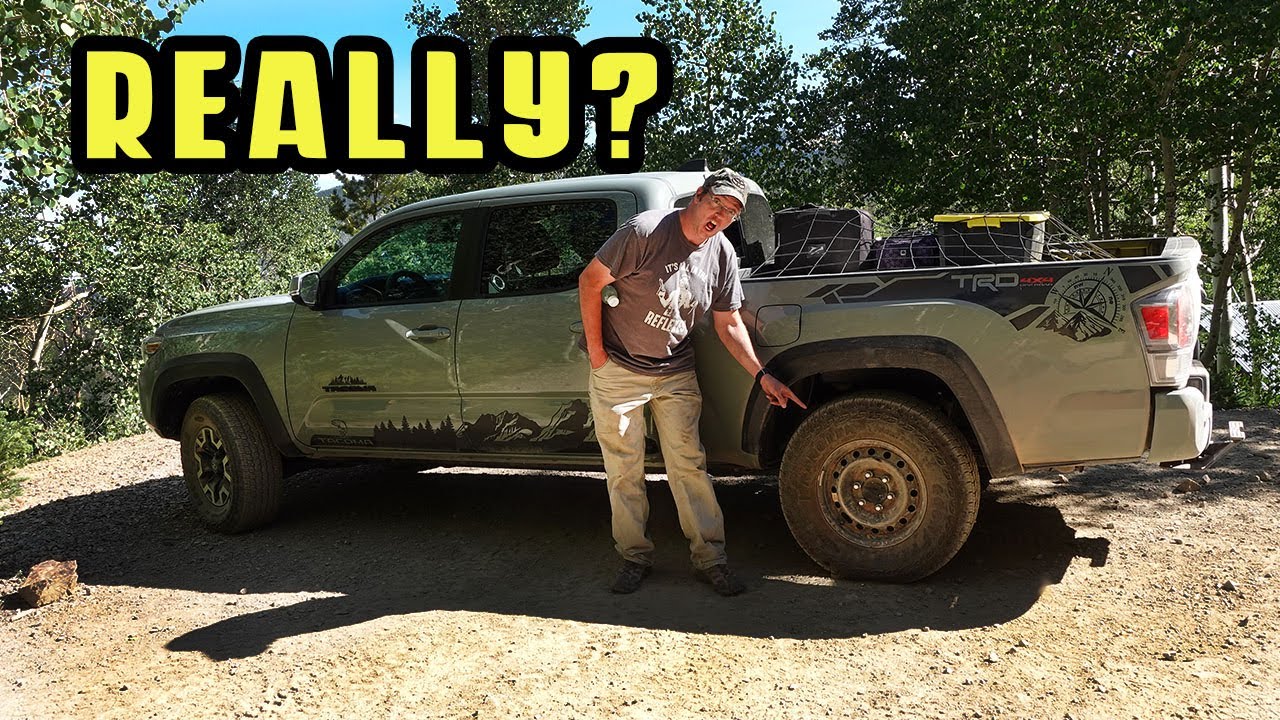
2017 Toyota Tacoma Rear-Corner Collision: Hidden Damage and Repair Costs
If you own a 2017 Toyota Tacoma and have recently been involved in a rear-corner collision, your first instinct might be to look at the dented bedside and broken taillight as a simple cosmetic fix. However, from a professional collision repair perspective, the Tacoma's body-on-frame construction means that 'minor' exterior damage is often a mask for significant suspension and structural issues.
In this guide, we will break down why these repairs are more complex than they appear, how the insurance supplement process works, and what you need to look for before authorizing a repair.

Why did my initial insurance estimate change after teardown?
It is common and often frustrating for a vehicle owner to receive an initial estimate from an insurance adjuster that is thousands of dollars lower than the final repair bill. This happens because most initial insurance inspections are 'visual-only' or 'open' estimates.
The adjuster writes only for what they can see without taking the truck apart. On a 2017 Tacoma, the outer sheet metal of the bedside hides several critical components:
- Leaf spring mounting points and shackles.
- Rear axle housing and vent tubes.
- Rear frame rails and bumper reinforcements.
- Wiring harnesses for Blind Spot Monitoring and parking sensors.
Once a technician performs a teardown—removing the damaged bedside and the rear wheel—they often find that the impact energy traveled through the bedside and into the suspension. This discovery leads to an insurance supplement. A supplement is a formal request sent by the repair facility to the insurance company for additional funds to cover damage found during disassembly.
Does insurance cover mechanical damage like a bent leaf spring?
Generally, insurance policies cover mechanical damage as long as it can be proven that the damage was a direct result of the collision. However, the burden of proof is often on the repair facility to show that a component like a leaf spring or a wheel hub did not fail due to normal wear and tear.

If your Tacoma was hit on the rear wheel or the corner of the bed, two specific components are at high risk:
- The Leaf Spring Suspension: The Tacoma uses a traditional leaf-spring setup. A hard side impact can crack a leaf, bend a shackle, or shift the mounting bracket on the frame. If the spring is shifted, the truck will not track straight down the road.
- The Wheel Hub and Axle: If the wheel took any part of the hit, the energy can bend the axle flange or damage the internal bearings of the hub. This often manifests as a low humming noise or a vibration that was not present before the accident.
Using Alignment as Objective Evidence
One of the most important steps you can take is requesting a four-wheel alignment early in the process. If the alignment readings show that the 'thrust angle' is off, it provides objective, computerized evidence that the impact was strong enough to shift the rear axle or bend suspension components. This documentation is vital for getting insurance to approve mechanical repairs.

The Hidden Complexity of Tacoma Bed Repairs
Repairing the bed of a 2017 Tacoma is more than just 'popping out a dent.' Because these trucks are designed for hauling and towing, the structure around the tailgate and taillight opening is reinforced with specific steel grades.
- Buckled Metal: If the rear quarter of the bed has buckled around the flange or the tailgate opening, the structural integrity of the bed may be compromised. A shop must decide if the panel can be safely straightened or if a full bedside replacement is required.
- ADAS and Sensors: Many 2017 Tacomas are equipped with Blind Spot Monitoring (BSM). These sensors are located behind the rear bumper corners. Even if the bumper looks fine, the jarring force of a bedside impact can damage these sensitive electronics. A proper repair must include a diagnostic scan and, in many cases, a recalibration of the system to ensure your safety features still work correctly.
OEM versus Aftermarket and Recycled Parts
The type of parts used on your Tacoma is often dictated by your insurance policy language rather than the repair shop's preference.
- LKQ (Like Kind and Quality): This usually refers to recycled parts from a salvage yard. It is common for insurance companies to suggest a recycled bed assembly or a recycled leaf spring for a vehicle of this age.
- Aftermarket Parts: These are new parts made by a company other than Toyota. While often cheaper, they may not always meet the exact fit and finish of the original equipment.
- OEM (Original Equipment Manufacturer): These are brand-new parts from Toyota.
If the insurance company specifies a recycled leaf spring or suspension component, ensure the shop inspects it thoroughly for rust, fatigue, or previous damage. If Toyota has issued a specific position statement against using recycled components for certain safety-critical parts, your shop should use that documentation to negotiate for OEM parts.
What should you do after a rear-corner impact?
If you are researching a repair for your Tacoma, follow these practical steps to ensure your truck is returned to pre-accident condition:
- Do not assume it is safe to drive: A bent leaf spring or a damaged hub can cause the truck to 'dog-track' (drive sideways) or lead to a tire blowout. Have it towed if the wheel was hit.
- Demand a teardown before the final estimate: Ask the shop to remove the bedside and wheel to inspect the frame and suspension before they finalize the parts order.
- Review the alignment sheet: Always ask for the 'before' and 'after' alignment printouts. This is your proof that the mechanical side of the repair was handled correctly.
- Check for Diminished Value: A truck with a repaired frame or suspension may have a lower resale value. Depending on your state and your policy, you may be eligible for a diminished value claim.
A rear-corner hit on a 2017 Toyota Tacoma is a classic example of why automotive repair estimates evolve. What looks like a simple body repair can quickly turn into a significant mechanical and structural project once the hidden components are revealed. Always consult with a qualified collision technician who understands body-on-frame vehicles, and remember that you generally have the right to choose which shop repairs your vehicle.
This article is for informational purposes. Insurance policies and state laws vary significantly; always consult with your insurance representative or a qualified professional regarding your specific claim.



No Comments Yet
Be the first to comment on this article.