Curtis.Castiglione@ROzebra.com

2017 Toyota Sienna Side Collision & Sliding Door Repair
By Curtis Castiglione
If you own a 2017 Toyota Sienna that has been involved in a side-impact collision, you may be surprised when the initial insurance estimate and the final repair bill look nothing alike. What starts as a "simple dent" in the sliding door or a scuffed plastic trim piece often snowballs into a multi-thousand-dollar structural and mechanical repair.
The 2017 Sienna is a marvel of family engineering, but its most convenient feature—the power sliding door—is also its most vulnerable component in a crash. Understanding the relationship between the vehicle structure, its mechanical systems, and the insurance claim process is vital for any owner looking to return their van to safe, pre-accident condition.
Why did my initial insurance estimate change after the shop started working on my Sienna?
The most common frustration for vehicle owners is the "supplement." This occurs because insurance adjusters often write initial estimates based only on what is visible from the outside (a "visual-only" estimate).
On a 2017 Sienna, a side impact below the door beltline almost always involves hidden damage. Once the repair facility performs a "teardown"—removing the interior trim, the sliding door, and the rocker molding—they often find that the impact energy has traveled deep into the vehicle's skeleton. If the door track is slightly out of alignment or the high-strength steel rocker panel is deformed, the shop must submit a supplement to the insurance company to cover the additional parts and labor required for a proper repair.
The Complexity of the Power Sliding Door System
Unlike a standard swinging door, the Sienna's sliding door operates on a precision-engineered track and roller system. Damage to this area creates unique challenges:
- The Track: The lower track is often integrated near the rocker area. Even a microscopic bend in this track can cause the door to "stutter" or fail to seal.
- The Rollers: Impact forces can flat-spot or crack the rollers. If these are not replaced, the door will eventually fail, even if the exterior metal looks perfect.
- The Motor and Latch: Power sliding doors use a motor and cable system. If the door's path is obstructed by a dented panel, the motor can become strained or "burn out."
- Mechanical vs. Body Labor: Insurance companies often try to categorize all door repairs as body work. However, diagnosing a failing power motor or calibrating the door's pinch sensors is a mechanical operation. It is essential that these are separated on your estimate to ensure the correct labor rates and technician expertise are applied.
Structural Integrity: The Rocker Panel and High-Strength Steel
The rocker is the structural beam running along the bottom of your van. In the 2017 Sienna, this area is designed to manage massive amounts of energy during a crash to protect the passengers inside.
To achieve this safety rating, Toyota uses High-Strength Steel (HSS). HSS is incredibly strong but has very specific "heat memory." Unlike older vehicles, you cannot simply use a torch to heat and pull a dent out of a modern rocker panel. Doing so destroys the steel's molecular integrity, making it brittle and unsafe in a future accident.
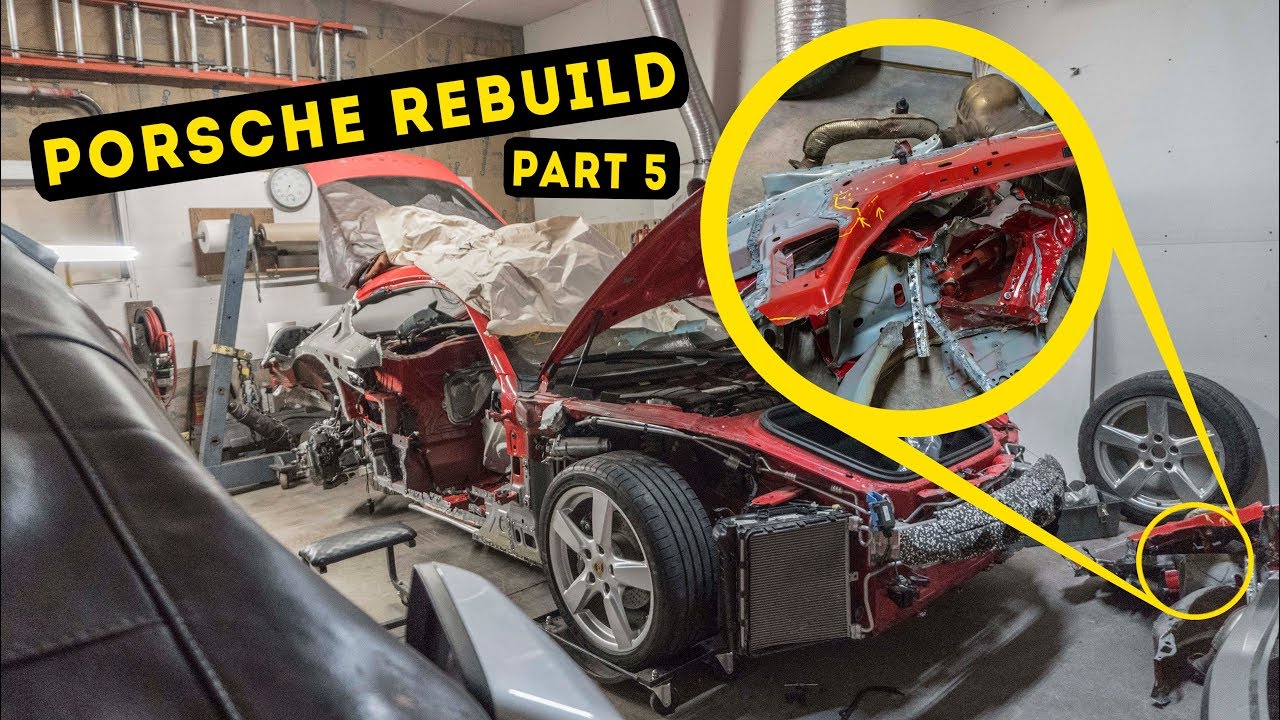
If the rocker panel is damaged, the shop must follow the Toyota Body Repair Manual (BRM). This may require "sectioning" (cutting out a specific portion) or replacing the entire side member. If your insurance company pushes for "recycled" or "LKQ" (Like Kind and Quality) structural parts, ensure the shop verifies that the parts can be used according to Toyota's strict safety guidelines.
Wiring and ADAS: The "Invisible" Damage
Modern Siennas are packed with technology. A side impact can affect:
- Blind Spot Monitoring (BSM): Sensors located behind the rear bumper or near the quarter panel can be jarred out of calibration.
- Wiring Harnesses: Heavy bundles of wires run through the door sills. A pinched wire can cause "ghost" electrical issues that might not show up until weeks after the repair.
- Pre- and Post-Repair Scans: Every modern repair should begin and end with a computer diagnostic scan. This documents "fault codes" caused by the accident and ensures that all safety systems (like airbags and sliding door sensors) are communicating correctly before the car is returned to you.
Practical Steps for the Vehicle Owner
If you are navigating a claim for a 2017 Sienna side collision, follow these steps to protect your investment:
- Demonstrate the failure: Before you leave the van at the shop, show the estimator exactly how the door is behaving. If it makes a "grinding" noise or pauses midway through closing, make sure that specific behavior is documented in the initial claim.
- Request a full teardown: Ask the shop to remove the interior panels and the door before the insurance adjuster arrives. This ensures the adjuster sees the damaged tracks and motor immediately, which can shave days or weeks off the repair timeline.
- Inquire about the BRM: Ask the shop manager, "Are you using the Toyota Body Repair Manual for the structural work on my rocker panel?" This lets the shop and the insurance company know you expect a repair that meets factory safety standards.
- Check the seals: Once repairs are finished, test the door with a high-pressure hose or at a car wash. If the rocker panel or track was not pulled back to factory specifications, the door may not seal correctly, leading to wind noise or water leaks.
Common Mistakes to Avoid
One of the most common mistakes owners make is assuming "it's just a dent." Never assume that because the door still opens and closes, the mechanicals are fine. A motor pulling a door across a bent track is a ticking time bomb.
Additionally, do not ignore the "Supplement" process. It is normal for a shop to call you with a higher price than the insurance company's original check. This is a sign of a quality repair process that identifies hidden damage rather than covering it up.
Finally, be cautious about accepting a "total loss" too quickly. If the repair cost is high, the insurer may try to "total" the vehicle. If you have a well-maintained Sienna, it may be worth getting a second opinion on the repairability versus the actual cash value of the van.
Summary
A 2017 Toyota Sienna is a complex machine that requires more than just "hammer and dolly" bodywork after a side collision. Between the high-strength steel structural components and the intricate power sliding-door hardware, the repair requires precision. By ensuring your repair facility follows OEM procedures and properly documents all mechanical and structural damage, you can ensure your vehicle remains safe and functional for the long haul.
Note: Insurance policies and state laws vary. Always review your specific policy and consult with a qualified repair professional or your insurance representative regarding coverage and repair requirements.



No Comments Yet
Be the first to comment on this article.