Curtis.Castiglione@ROzebra.com

2017 Toyota RAV4: Collision Impact on Wheel Bearings
When a 2017 Toyota RAV4 is involved in a front-corner collision, the immediate focus is usually on the visible damage—the crumpled fender, the scratched bumper, or the scuffed alloy wheel. However, some of the most critical damage occurs where you cannot see it.
One of the most common questions owners ask after an accident is: Does car insurance cover wheel bearing and suspension damage?
The short answer is yes—car insurance typically covers these mechanical components if the damage is a direct result of the accident. However, securing that coverage requires understanding how kinetic energy affects a vehicle and how the insurance supplement process works.
The Physics of an Impact: Why Bearings Fail
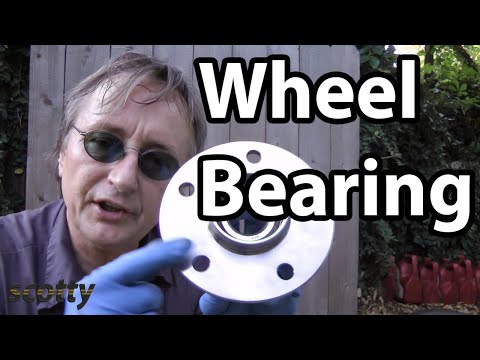
A vehicle's wheel bearing is a precision-machined component designed to allow the wheel to rotate with minimal friction while supporting the vehicle's weight. On a RAV4, these bearings are engineered to handle radial loads (vertical weight). They are not designed to handle lateral loads (side impacts).
When your front tire strikes a curb, another vehicle, or an object, that energy has to go somewhere. The force travels through the tire and wheel directly into the hub assembly and the bearing.

The Hidden Dent: Brinelling
Even if the wheel is replaced and the car appears to drive fine initially, the internal steel balls or rollers inside the bearing can be slammed into the hardened steel races during the crash. This creates microscopic flat spots or indentations known as brinelling.
You might not notice this on the drive home from the body shop, but as you continue to drive, those tiny flat spots will cause the bearing to degrade. This eventually leads to:
- A rhythmic humming or growling noise that gets louder with speed.
- Vibration in the steering wheel.
- Potential play or looseness in the wheel assembly.
Why Did My Insurance Estimate Change?
It is a common source of frustration for owners when the initial insurance estimate is significantly lower than the final bill. This happens because adjusters write estimates based on what they can see during a preliminary inspection.
- The Preliminary Estimate: An adjuster sees a bent wheel and a dented fender. They write for those parts and the paint. They cannot see a damaged bearing inside a sealed hub or a hairline fracture in a steering knuckle.
- The Teardown: Once the vehicle is at the repair facility, the technician performs a teardown. They remove the wheel and suspension components to inspect for hidden damage.
- The Supplement: If the technician finds that the hub is rough or the bearing is noisy, the shop submits a supplement. This is a request for additional funds from the insurance company to cover the newly discovered mechanical damage.
The Role of the Four-Wheel Alignment
In collision repair, an alignment is much more than a maintenance item; it is a vital diagnostic tool.
If your RAV4 is put on an alignment rack and the measurements show that the camber or caster is out of factory specifications, it is a red flag. These angles are generally not adjustable on a stock RAV4; if they are off, it means something—a strut, a control arm, or the steering knuckle—is physically bent.
Insurance companies may argue that a noisy bearing is wear and tear, especially on a vehicle with higher mileage. However, if the alignment printout shows a significant deviation on the corner that was hit, it provides the burden of proof needed to link the mechanical failure to the accident.

OEM vs. Aftermarket and Recycled Parts
Who pays for what parts depends heavily on your specific insurance policy and state laws.
- Aftermarket Parts: Many insurers will specify high-quality aftermarket hub assemblies.
- Recycled (Used) Parts: Some policies allow for Like Kind and Quality (LKQ) parts. However, many technicians advise against used wheel bearings. A bearing from a salvage yard has an unknown history; it may have been sitting in the elements or come from a vehicle that suffered its own side-impact collision.
- OEM (Original Equipment Manufacturer): These are parts made by Toyota. Some policies have an OEM Endorsement that ensures only brand-new Toyota parts are used.
Review your policy or ask your adjuster if your coverage allows for New OEM mechanical parts for safety-critical components like bearings and steering knuckles.
Modern Tech: ADAS and Calibrations
The 2017 Toyota RAV4 was a leader in standardizing safety technology. These vehicles are equipped with Advanced Driver Assistance Systems (ADAS), including lane-departure alerts and pre-collision systems.
If a wheel bearing is replaced or the suspension is adjusted, the vehicle's steering geometry changes. This can throw off the calibration of the sensors. After mechanical repairs, the vehicle often requires a Steering Angle Sensor (SAS) calibration. This ensures the car's computer knows exactly where the wheels are pointed. Insurance should cover these diagnostic and calibration steps as they are necessary to return the vehicle to its pre-accident safety standards.
What Should I Do if My Car Feels Different After a Repair?
If you pick up your vehicle and it feels off, do not wait. If you hear a new hum or the steering feels loose weeks after a repair, the insurance company may claim it is a new, unrelated issue.
Ask your repair facility these three questions:
- Did the alignment measurements show any deviations that indicate bent structural components?
- Was the hub assembly physically inspected for roughness or play while the suspension was disassembled?
- Were the steering angle sensors recalibrated after the alignment was completed?
Collision repair is no longer just about dent and paint. On a modern vehicle like the RAV4, a simple hit to the wheel can trigger a complex chain of mechanical and electronic issues. By ensuring your repair facility performs a thorough teardown and uses the alignment as a diagnostic tool, you can ensure that your insurance claim covers the full extent of the damage—keeping your vehicle safe and quiet for the road ahead.
Disclaimer: Insurance policies and state laws vary. Always review your specific policy and consult with a qualified repair professional regarding your vehicle's safety and repair procedures.



No Comments Yet
Be the first to comment on this article.