Curtis.Castiglione@ROzebra.com

2017 Nissan Rogue Side-Impact Repair: Understanding Hidden Damage
Written by Curtis Castiglione
It is a common scenario: You are involved in a side-impact collision in your 2017 Nissan Rogue. The insurance adjuster looks at the vehicle in your driveway or via photos and writes an initial estimate for a few hundred dollars to repair a dent and paint the door. However, once the vehicle arrives at a professional repair facility and the teardown begins, the price often increases significantly.
This increase is rarely a sign of a dishonest shop. Instead, it reflects the reality of modern vehicle construction and the limitations of initial insurance inspections. On a 2017 Nissan Rogue, the rear door is not just a piece of sheet metal; it is a complex housing for mechanical and electrical systems that are easily compromised by kinetic energy.
The Reality of Hidden Damage in Modern Doors
The primary reason an estimate changes is hidden damage. A door assembly is a sandwich of various components, and the exterior panel (the door skin) is merely the outermost layer. In a 2017 Nissan Rogue, a side impact can affect several internal parts even if the glass remains intact.
Components frequently requiring inspection or replacement include:
- The Door Shell: The inner structural frame of the door.
- The Window Regulator: The mechanical track and cable system that moves the glass.
- The Window Motor: The electrical unit powering the regulator.
- The Wiring Harness: A bundle of wires that controls locks, speakers, and windows.
- Side-Impact Reinforcement Beams: High-strength steel bars designed to protect passengers.
Even if the exterior door skin appears to have only a minor soft dent, the force of the impact can transfer through the hollow cavity of the door and bend the internal window regulator or pinch the wiring harness against the inner shell.
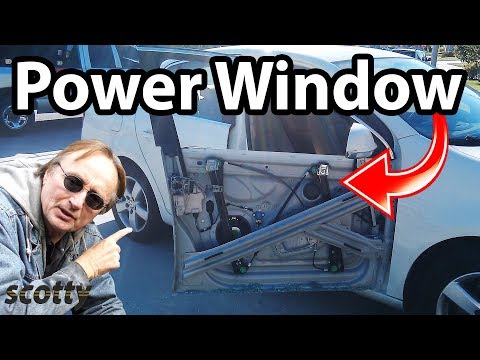
The Relationship Between Mechanical and Cosmetic Damage
A door shell must be perfectly square for its internal components to function. If the impact bows the shell—even by a few millimeters—the window regulator may become misaligned. This leads to several issues that aren't visible from the outside:
- Window Binding: The glass moves slowly, makes a grinding noise, or gets stuck halfway because the tracks are no longer parallel.
- Seal Failure: If the regulator is bent, the glass may not seat properly in the weatherstripping, leading to wind noise or water leaks.
- Electrical Shorts: The 2017 Rogue uses a door harness to carry signals for power locks, speakers, and window motors. A side impact can crack a plastic connector or sever a wire.
Simply replacing a window motor because it doesn't move is a common mistake. A professional technician must perform an electrical diagnosis to determine if the failure is a mechanical bind, a burnt-out motor, or a wiring fault. Replacing parts without testing the circuit is a parts-darts approach that increases costs without ensuring a permanent fix.
Why the Insurance Estimate Was Initially Low
Insurance adjusters often write field estimates or photo-based estimates. These are preliminary documents based only on what is visible from the outside. Adjusters purposely leave off internal parts they cannot verify.
The Supplement Process
When a shop finds damage that was not on the original estimate, they file a supplement. This is a standard request for additional funds to cover the parts and labor required to restore the vehicle to pre-accident condition.
- Teardown and Documentation: The shop removes the interior door trim panel, takes photographs of the bent internal components, and submits these to the insurer.
- Approval: Once the insurer verifies the hidden damage through the shop’s documentation, they typically approve the supplement. This is why your final bill may look much different than the initial quote you received.
Structural Considerations: The Door Opening
A significant side impact involves more than just the door itself. A professional estimate should include an inspection of the door opening structure, which includes the B-pillar (the center post of the car), the rocker panel (the area below the door), and the hinges.
If the door hinges are pushed inward or the B-pillar is slightly moved, a new door will never fit correctly. This is why you may see labor operations on your estimate for Setup and Measure. This indicates the shop is using a measuring system to ensure the vehicle’s frame and door apertures are square.

Parts Selection: OEM vs. Aftermarket and Recycled
The type of parts used will heavily influence the final cost and the success of the repair. Most insurance policies include provisions for:
- LKQ (Like Kind and Quality): These are recycled parts from a salvage yard. For a 2017 Rogue, an insurer might suggest a complete used door assembly.
- Aftermarket: New parts made by a third party. While often cheaper, fitment issues are common with aftermarket window regulators.
- OEM (Original Equipment Manufacturer): Parts made by Nissan specifically for your vehicle.
If a shop finds that a used or aftermarket part does not fit or function correctly (e.g., the window binds despite a perfect installation), they must document this to the insurer to justify the cost of an OEM part.
What Should You Ask Your Repair Facility?
Before authorizing repairs, ask these four critical questions to ensure a complete repair:
- Was the interior door panel removed to inspect the regulator and wiring? If they haven't looked inside, the estimate isn't finished.
- Did you test the window travel and power locks for binding?
- Is the door shell being repaired or replaced? If the internal side-impact beam is bent, manufacturer guidelines generally require a full shell replacement for safety.
- Did the impact affect the door hinges or the center pillar?
Final Inspection and Customer Responsibility
When you pick up your Nissan Rogue, your inspection should go beyond the paint finish. Test the window by rolling it up and down multiple times; it should be smooth and quiet. Ensure the remote keyless entry and the interior switches work for the door locks.
Listen to the speakers, as side impacts often damage speaker wiring or the speaker cone itself. Finally, check the fit. The gaps around the door should be uniform, and the door should close with the same sound and effort as the opposite, undamaged side of the vehicle.
Insurance coverage, state regulations, and repair procedures vary significantly. You should review your specific policy and consult with a qualified collision professional or your insurance company to understand your rights and the requirements for your specific claim.



No Comments Yet
Be the first to comment on this article.