Curtis.Castiglione@ROzebra.com

2017 Nissan Pathfinder Rear Collision Repair Guide
If you have been rear-ended in a 2017 Nissan Pathfinder, you might look at the plastic bumper cover and think the damage is minor—perhaps just a few scuffs or a crack. However, in the world of modern collision repair, the outer plastic is often just a facade. Below that cover lies a complex network of structural steel, delicate electronics, and, frequently, a heavy-duty trailer hitch that can change the entire physics of a crash.
Understanding how these components interact during a collision is essential for ensuring your vehicle is returned to a safe, pre-accident condition and that your insurance claim covers the true cost of repairs.
The Hidden Role of the Trailer Hitch
One of the most common misconceptions is that a trailer hitch protects a vehicle during a rear-end collision. In reality, a hitch often increases the severity of structural damage.
The bumper system is designed to compress and absorb energy. However, a trailer hitch is bolted directly to the vehicle's frame or rear unibody structure. When the hitch is struck, it transfers the force of the impact directly into the "skeleton" of the Pathfinder, bypassing the energy-absorbing foam and the bumper reinforcement bar.
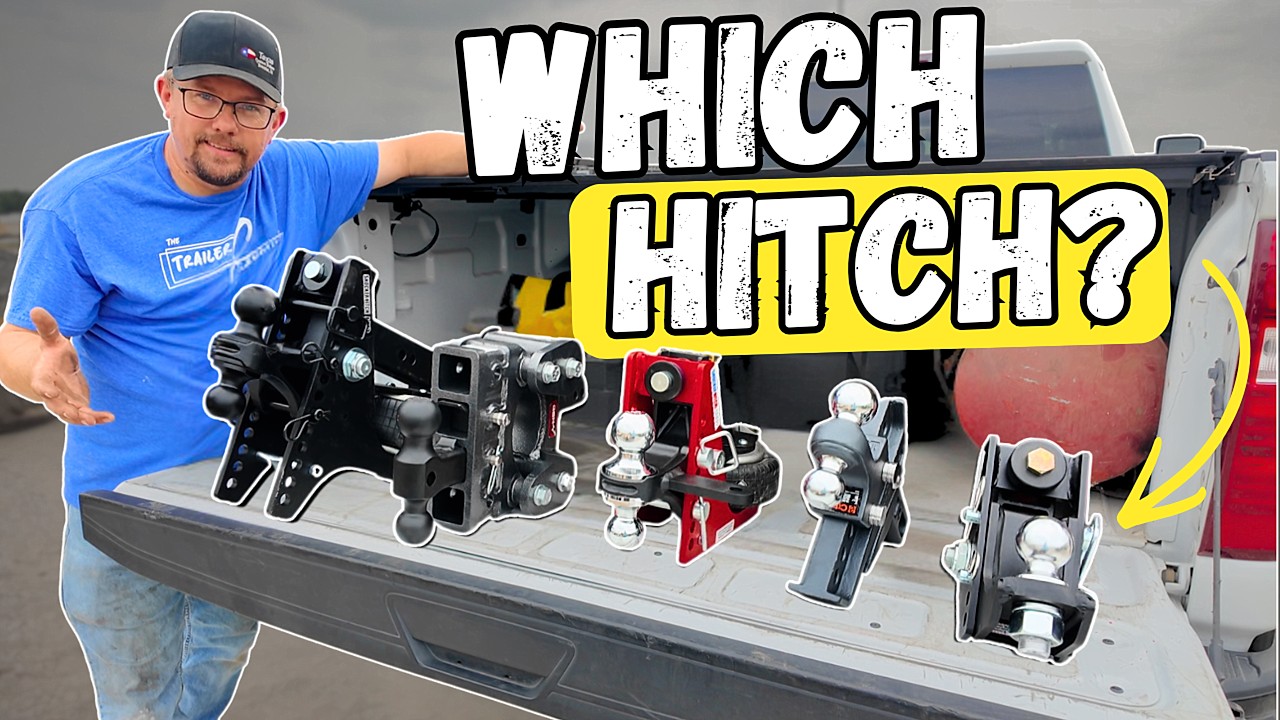
What to look for during inspection:
- Pulled Metal: Technicians must check for distorted metal or "pulled" bolt holes where the hitch meets the body.
- Integrity: If a hitch is bent even slightly, it cannot be straightened. It must be replaced to ensure it maintains its rated towing capacity and structural safety.
- Structural Damage: Damage can often be found in the cargo floor or rear body panel because the hitch acted as a bridge, sending impact energy deep into the vehicle.
The Exhaust System Shunt
The exhaust system on a 2017 Pathfinder runs nearly the entire length of the vehicle. In a rear-end hit, the muffler or tailpipe is often pushed forward—a phenomenon known in the industry as shunting.

This forward movement can do more than just bend a tailpipe. It can:
- Tear rubber hangers and crack heat shields.
- Stress or crack the exhaust manifold at the front of the engine.
- Damage engine and transmission mounts due to the sudden forward pressure.
If you notice a new vibration, a rattling sound, or a loud drone after your Pathfinder is repaired, the exhaust system likely was not properly inspected from front to back. A thorough estimate must include a mechanical inspection of the entire exhaust path.
Why Did My Estimate Change? Understanding the Supplement
It is very common for an initial insurance estimate to be much lower than the final repair bill. This is not necessarily a sign of a "bad" estimate; rather, it is the nature of modern insurance processing.
Adjusters often write "preliminary" estimates based only on what is visible. Once the shop performs a teardown—removing the bumper cover and internal components—they discover the hidden damage. At this point, the shop submits a supplement.

A supplement is a request for additional funds and parts based on the damage discovered during the teardown. For a Pathfinder owner, this is a standard part of the process. You should expect the shop to document this with photos of distorted metal or broken components to justify the costs to the insurer.
ADAS: Sensors and Safety Technology
By 2017, many Pathfinders were equipped with Rear Sonar Systems or Blind Spot Warning (BSW) sensors. These are often located behind or within the rear bumper.
Even if the plastic bumper looks fine, the delicate brackets holding these sensors can snap, or the sensors can be jolted out of alignment.
- Diagnostic Scans: The repair process must include a "Pre-Scan" to check for hidden fault codes and a "Post-Scan" to ensure systems are clear.
- Calibration: If a sensor is replaced or the mounting surface is disturbed, the system may require a specialized calibration procedure. Without this, your safety features may fail to alert you to a vehicle in your blind spot.
Parts Selection: OEM vs. Aftermarket
During the estimating process, you will see terms like OEM (Original Equipment Manufacturer), Aftermarket, and Recycled.
- Insurance Policy Provisions: Most standard insurance policies allow for the use of non-OEM parts to keep costs down.
- Manufacturer Recommendations: Nissan has specific guidelines regarding structural components (like the bumper reinforcement). They often recommend OEM parts to ensure the vehicle performs correctly in a future accident.
- Your Responsibility: While you have the right to choose your repair facility, your insurance policy dictates how much they will pay for parts. If you insist on OEM parts and your policy specifies aftermarket, you may be responsible for the price difference (the markup).
Practical Steps for the Vehicle Owner
If you are navigating a rear-end claim for your Pathfinder, take the following steps to protect your investment:
- Do Not Authorize Hitch Repairs: If a trailer hitch is damaged or bent, insist on replacement. It is a safety-critical component.
- Ask About the Scan: Confirm that the shop is performing a diagnostic scan if your vehicle has backup sensors or blind-spot monitoring.
- Request an Alignment Check: If the impact was hard enough to damage the hitch or the exhaust, it may have shifted the rear suspension. An alignment check prevents premature tire wear.
- Expect a Supplement: Do not be alarmed if the repair takes longer than the first "48-hour" estimate suggested. Waiting for an insurance adjuster to approve hidden damage found during teardown is the most common cause of repair delays.
The Bottom Line: A 2017 Nissan Pathfinder is a sophisticated machine. When it is hit from behind, the damage is rarely skin-deep. By understanding the relationship between the hitch, the exhaust, and the underlying structure, you can ensure your vehicle is repaired to factory standards rather than just looking good on the surface.
Disclaimer: Insurance coverage and repair regulations vary by state and policy type. Always review your specific policy and consult with a qualified collision professional before authorizing repairs.



No Comments Yet
Be the first to comment on this article.