Curtis.Castiglione@ROzebra.com

2017 Mustang Rear Collision: Hidden Mechanical Damage Guide
By Curtis Castiglione
If your 2017 Ford Mustang has been hit from behind, the most obvious damage is usually the plastic bumper cover and perhaps the trunk lid. However, because the Mustang is a rear-wheel-drive performance vehicle with an independent rear suspension and a long, dual exhaust system, the damage you cannot see is often more expensive and complex than the damage you can.
Understanding how collision energy travels through a vehicle structure and drivetrain is essential to ensuring your car is returned to its pre-accident condition and does not leave you with a permanent vibration or handling issue.
Why Did My Insurance Estimate Change After the Bumper Was Removed?
It is common for an initial insurance estimate to be written based only on visible damage. This is known as a preliminary estimate. Once a repair facility performs a teardown—the process of removing the bumper cover, reinforcement bar, and trunk trim—they can see the underlying structure.

In a rear-end collision, the exhaust system often acts as a secondary bumper. If the impact was hard enough to push the mufflers forward, that energy is transferred directly to the exhaust hangers, the catalytic converters, and even the engine mounts.
When the shop discovers this hidden damage, they submit a supplement to the insurance company. A supplement is simply a request for additional parts or labor hours based on damage found during the repair process. This is a standard part of collision repair, but it is the primary reason your final repair bill may be significantly higher than the first quote you received from your adjuster.
The Hidden Dangers to the Mustang Exhaust System
The 2017 Mustang features long exhaust pipes that run the length of the vehicle. During a collision, the exhaust can be shoved forward or moved sideways. Even if the pipes do not look crushed, the impact can cause several issues:
- Stressed Connections: Welds at the manifold or flange connections can crack under the pressure of the system being shoved forward.
- Damaged Hangers: The rubber hangers that isolate vibration from the cabin can be stretched, torn, or pulled from their mounting points.
- Body Contact: If the exhaust is slightly out of alignment, it may contact the body or the rear differential, resulting in a metallic rattle or drone that is only felt when the car is idling or under load.
If your insurance company only pays to replace the bumper, you might be left with a mechanical vibration that ruins your driving experience. You must ensure the technician inspects the entire length of the exhaust for shifted components or stressed welds.
Suspension and Alignment: The Impact of a Corner Hit
The 2017 Mustang utilizes an Independent Rear Suspension (IRS) system. This setup provides excellent handling, but it is highly sensitive to side impacts or corner hits.

If the collision pushed your rear wheel into a curb or if the bumper reinforcement was pushed into the suspension subframe, your wheel geometry is likely compromised.
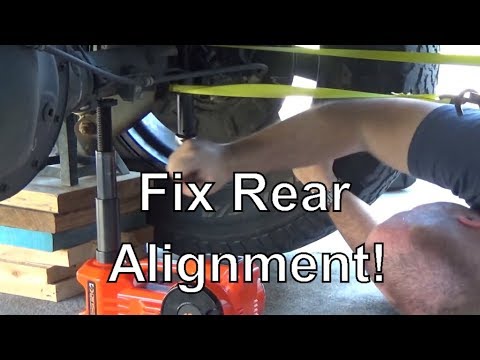
- The Alignment Check: A professional repair must include a four-wheel alignment check. Even if the car feels like it drives straight, a bent control arm or a shifted subframe can cause rapid tire wear and affect the performance of your AdvanceTrac electronic stability control.
- Documenting Damage: If the alignment readings do not meet Ford factory specifications, it is a clear indicator that mechanical components are bent and require replacement. This printout serves as vital evidence for your insurance claim.
The Differential and Driveshaft: A Chain Reaction
The rear differential is the heavy component between the rear wheels that transfers power from the engine to the tires. In a severe rear-end collision, the differential mounting points can be stressed or cracked.
Because the differential is connected to the transmission via the driveshaft, a significant rear impact can technically shove the entire drivetrain forward. While this is less common in low-speed fender benders, a high-speed impact requires an inspection of the driveshaft universal joints and the transmission output shaft. Ignoring these can lead to high-speed driveline vibrations months after the bodywork is completed.
Insurance Coverage: Cosmetic vs. Mechanical Damage
Insurance policies generally cover all damage resulting from a single loss, provided you have collision coverage. However, insurance companies are only responsible for returning the vehicle to its condition prior to the accident. They are not responsible for pre-existing wear and tear.
The Burden of Proof If your shop finds a leaking differential seal or a bent suspension arm, they must document that the damage was caused by the impact and was not a result of old age or hitting a pothole months ago. This is why choosing a shop that understands how to document mechanical point of impact evidence is critical for getting these repairs covered.
Parts Quality: OEM vs. Aftermarket You may encounter a disagreement regarding parts. Insurance policies often allow for the use of Like Kind and Quality (LKQ) or aftermarket parts. While an aftermarket bumper cover might fit fine, mechanical components like exhaust resonators or suspension arms are often better sourced as Original Equipment Manufacturer (OEM) parts to ensure the car handling and sound remain unchanged. Review your policy or consult your agent to see if you have an OEM parts endorsement.
What Should I Do If My Car Feels Different After the Repair?
If you pick up your Mustang and notice a new vibration, a pulling sensation, or a strange exhaust drone, do not ignore it. These are signs that the mechanical inspection was either skipped or performed incorrectly. Take the vehicle back to the repair facility immediately.
Questions you should ask your service advisor:
- Exhaust Inspection: Was the exhaust inspected on a lift to check for forward movement or stressed hangers?
- Alignment Proof: Was a four-wheel alignment performed, and can I see the printout of the before-and-after specs?
- Differential Check: Did you inspect the differential mounting bushings for cracks or stress marks?
- Driveshaft Check: Was the driveshaft checked for balance issues or runout?
Final Thoughts
A Mustang is a performance vehicle, and its value depends on its mechanical integrity just as much as its paint. By insisting on a thorough mechanical teardown and a suspension alignment check, you can ensure that a simple rear-end collision does not turn into a long-term mechanical headache. Always review your specific insurance policy and consult with a qualified collision technician before authorizing final repairs.



No Comments Yet
Be the first to comment on this article.