Curtis.Castiglione@ROzebra.com
2017 Jeep Grand Cherokee: Why Rear-End Collision Costs Increase
It is a common scenario: You are stopped at a light in your 2017 Jeep Grand Cherokee, someone taps you from behind, and at first glance, it looks like a minor scuff on the plastic bumper. You receive an initial insurance estimate for a few hundred dollars to repair and paint the cover. However, once the vehicle arrives at the body shop, that estimate often doubles or triples.
If your vehicle is equipped with ParkSense or other rear park assist systems, what looks like a cosmetic blemish often hides significant electrical and structural damage. Understanding why these costs escalate requires a look behind the plastic skin of your Jeep and into the reality of modern collision repair.
The Illusion of the Plastic Bumper Cover
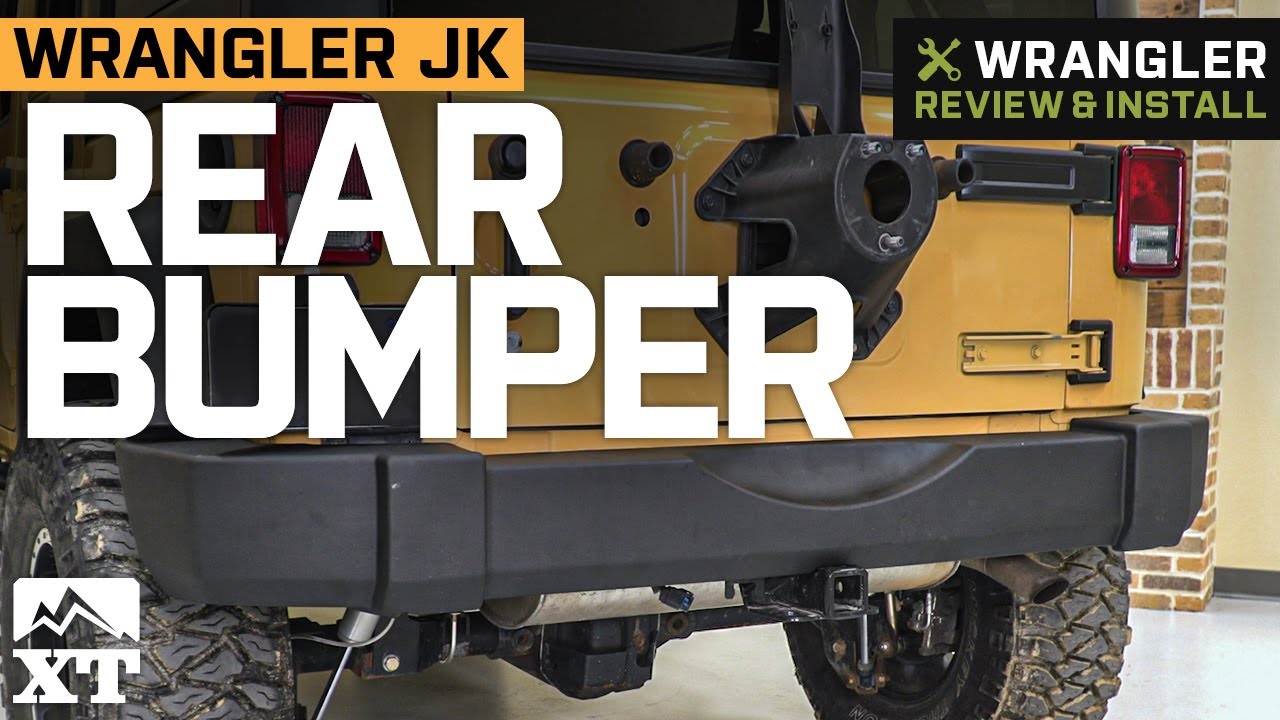
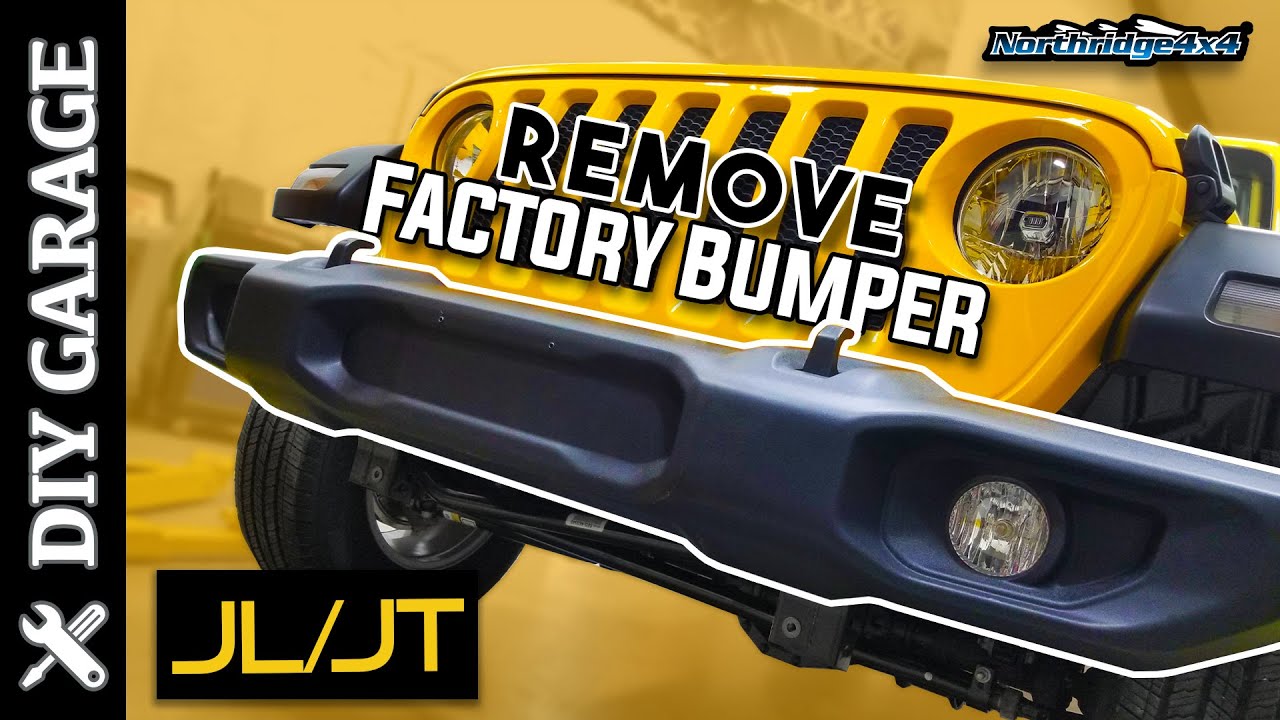
The exterior part of the bumper on a 2017 Jeep Grand Cherokee is technically called a bumper fascia. It is a flexible plastic cover designed for aerodynamics and aesthetics, but it provides almost zero structural protection.
During a rear-end impact, the plastic fascia often pops back into its original shape. While it may only show a minor scratch, the components directly behind it are designed to crush and absorb energy. In a 2017 Jeep, the fascia houses a delicate ecosystem of technology:
- Ultrasonic Sensors: Small, round sensors that see obstacles.
- Sensor Mounts (Bezels): Plastic brackets glued to the inside of the bumper that hold sensors in a precise orientation.
- Wiring Harness: A complex loom of wires connecting the sensors to the vehicle’s computer.
- Impact Absorber: A foam or plastic piece that sits between the fascia and the steel reinforcement.
- Reinforcement Bar: The heavy-duty steel beam that protects the vehicle’s frame.
Why Did My Estimate Change? The Role of the Supplement
The primary reason your estimate increases is the teardown and supplement process. Most initial insurance estimates are visual only, meaning the adjuster only writes for what they can see without taking the car apart.
What is a Supplement?
A supplement is an additional claim for hidden damage discovered once the repair facility removes the bumper cover. In the industry, we do not truly know the cost of a repair until the vehicle is blueprinted—fully disassembled and inspected.
For a 2017 Jeep, a technician often finds:
- Broken Sensor Retainers: The plastic tabs holding the sensors are easily sheared off, even if the sensor itself isn't scratched.
- Pinched Wiring: The wiring harness is often routed across the reinforcement bar. An impact can pinch or open these wires, leading to intermittent electrical failures.
- Deformed Reinforcement: If the steel reinforcement bar is even slightly bowed, it must be replaced to ensure it can protect the vehicle in a future accident.
Note on Insurance: Most policies cover hidden damage, but the insurance company will not pay for these items until the shop provides photographic evidence and a diagnostic report. This is a standard part of the claims process, not a sign of a dishonest shop.
Why Electronics Drive Up the Bill
On a modern Grand Cherokee, the parking sensors are part of a sophisticated computer network. This is not just a simple plug and play repair.
Diagnostics and Scanning
If your dashboard displays a 'Service ParkSense' message, the system has detected a fault. A technician must perform a pre-repair scan to identify exactly which sensor or wire is failing. After the repair is complete, a post-repair scan is required to clear fault codes and ensure the computer recognizes the new components.

Calibration and Alignment
If a sensor mount is cracked and the sensor is tilted just one or two degrees, the system may provide false alerts by seeing the ground, or it may fail to detect a low-profile object. Verifying that the sensors are positioned exactly according to manufacturer specifications is a safety-critical labor operation that adds to the final cost.
Parts Selection: OEM vs. Aftermarket
When the estimate is updated, you may see a discussion regarding Original Equipment Manufacturer (OEM) parts versus Aftermarket or Recycled parts.
- Sensors: We generally recommend OEM sensors for the ParkSense system. Aftermarket sensors may operate at different frequencies or have different tolerances, which can cause the vehicle’s computer to reject them.
- Wiring Harnesses: If the harness is severed, some insurance companies may suggest a wire repair. However, because these wires carry sensitive data signals and are exposed to road moisture, a full harness replacement is often the only way to ensure long-term reliability.

Review your specific insurance policy to see if you have an OEM Parts endorsement, as state laws and policy language vary on what type of parts an insurer is required to pay for.
What Should I Do If I Am Involved in a Rear-End Collision?
Before you authorize the final repair, ensure the shop is following proper procedures for your Jeep. Ask the following questions:
- Did you perform a diagnostic scan to identify specific fault codes? A fault code does not always mean the sensor is bad; it could be the wiring or a damaged connector.
- Are the sensor mounting brackets being replaced or just glued back together? Glued brackets often fail later or cause sensor misalignment.
- Will you provide a post-repair scan report showing the system is clear of errors? This is your proof that the safety systems are functioning.
- Is the reinforcement bar behind the bumper being inspected for structural integrity? This is vital for your safety in the next impact.
Summary
The leap from a 500 dollar cosmetic estimate to a 2,500 dollar technical repair is rarely an attempt to pad the bill. On a 2017 Jeep Grand Cherokee, it is the reality of repairing a vehicle that uses high-strength steel and ultrasonic technology. While the insurance claim process can be tedious, the goal of these supplements is to ensure that your ParkSense system works when you need it and that your vehicle’s structural integrity is fully restored. Always consult your policy and work with a repair facility that prioritizes manufacturer-recommended procedures over the cheapest possible fix.



No Comments Yet
Be the first to comment on this article.