Curtis.Castiglione@ROzebra.com

2017 Jeep Cherokee Rear Collision: Hidden Damage and Repair Insights
When a 2017 Jeep Cherokee is involved in a rear-end collision, the damage often extends far beyond what is visible to the naked eye. It is a common scenario: a driver is tapped at a stoplight, the plastic bumper looks mostly fine, and the initial insurance estimate comes in at around $1,500. However, once the vehicle arrives at a body shop, that cost can easily double or triple.
This isn’t "price gouging"—it’s the reality of modern vehicle construction. The rear structure of the Cherokee is a complex assembly of high-strength steel, sensitive electronics, and precision-fitted panels that must work in harmony to maintain safety and weatherproofing.
Why did my repair cost more than the initial insurance estimate?
The primary reason for a cost increase is hidden damage. Most initial insurance estimates, especially those done via photo apps or a quick field inspection, are written as "visual only." This means the appraiser only documents what they can see without taking the vehicle apart.
On a 2017 Jeep Cherokee, the plastic rear bumper cover is designed to be resilient. It can flex and "pop" back into its original shape after a low-speed impact, appearing relatively unscathed. However, the steel bumper reinforcement and the rear body panel underneath are designed to crush to absorb energy.
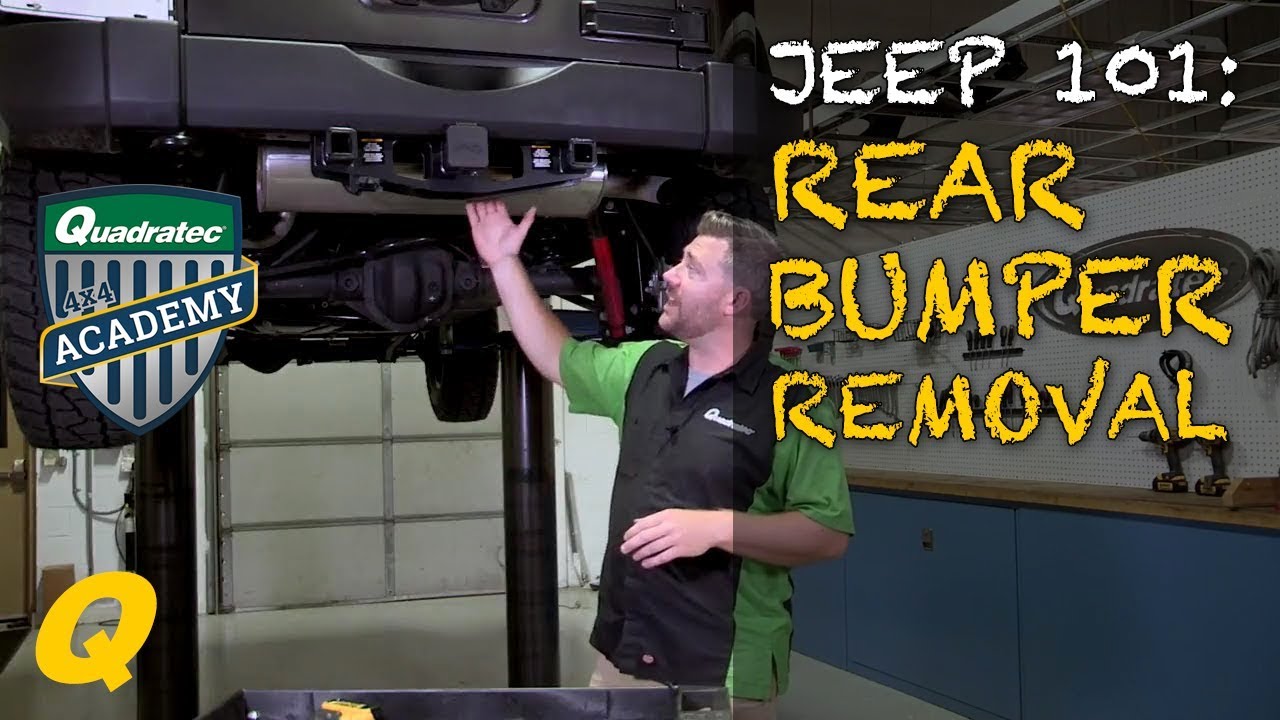
The Supplement Process Once a shop performs a teardown—the process of removing the bumper cover and internal trim—they often find distorted metal or broken brackets. When this happens, the shop submits a supplement. This is an additional claim sent to the insurance company to cover the newly discovered damage, extra parts, and the labor required to perform the repairs.
The Critical Role of the Liftgate and Glass
In a rear collision, the liftgate is a high-priority inspection area. Owners are often relieved when the rear glass doesn't shatter, but intact glass does not mean the liftgate is undamaged.
Inspecting for Gap Issues
Technicians must measure the "gaps"—the uniform spacing between the liftgate and the quarter panels. If these gaps are uneven, it indicates one of two things:
- Bent Shell: The liftgate frame itself is distorted.
- Structural Shift: The entire rear body opening of the Jeep has shifted.
Correcting this requires a frame rack and computerized measuring systems to pull the metal back to factory specifications. If these structural issues are ignored in favor of a "cosmetic-only" repair, the liftgate may never latch properly or seal against the elements.
Hidden Mechanical Damage: Wipers and Sensors
A common mistake in collision repair is focusing solely on metal and paint while ignoring mechanical and electronic components.
- Rear Wiper Mechanism: On the 2017 Cherokee, the wiper motor is mounted directly to the liftgate. An impact can jar the internal gears or shift the mounting bracket. A wiper might still move during a quick test, but if the mounting is distorted, the motor will experience premature wear or fail to clear the glass effectively.
- ADAS and Sensors: Most 2017 Cherokees feature ParkSense ultrasonic sensors in the bumper and a backup camera in the liftgate. If these are moved or replaced, they require calibration. Insurance policies generally cover the cost of scanning the vehicle’s computers for fault codes and performing these calibrations, but they are technical labor operations that add to the final bill.
Parts Selection: OEM, Aftermarket, and Recycled
The "Type of Parts" provision in your insurance policy heavily influences your final estimate. Understanding the terminology is key:
- OEM (Original Equipment Manufacturer): New parts made by Jeep. They offer the most predictable fit and safety performance.
- Aftermarket: Third-party parts. While often cheaper, they can sometimes present fitment issues on the Cherokee’s complex body lines.
- Recycled (Used): Parts salvaged from a donor vehicle. A recycled liftgate can be a high-quality, cost-effective option, but it must be inspected for previous repairs or hidden corrosion.
Review your policy for an "OEM Parts Endorsement." Without it, insurance companies typically base their estimates on the cheapest available alternative (Aftermarket or Recycled).
The Importance of Water Testing
One of the most frequent post-repair complaints regarding the Jeep Cherokee is water intrusion in the spare tire well.
A quality repair must include a systematic water test. This involves checking:
- Liftgate weatherstripping and seals.
- The glass mounting area.
- Taillight gaskets.
- Seam sealers on the rear body panel.
If the rear body panel was repaired or replaced, even a pinhole-sized gap in the sealant can allow water to enter the cabin. Over time, this leads to mold, musty odors, and electrical shorts in the rear wiring harness.
What should I do if I am involved in a rear collision?
- Don’t Assume Minor: Even if the glass is intact and the bumper looks okay, have a professional inspect the vehicle.
- Demand a Teardown: Choose a repair facility that performs a full teardown before finalizing the repair plan. This reduces the time your vehicle sits in the shop waiting for supplemental parts later.
- Request a Diagnostic Report: Ask the shop for a "Post-Repair Scan Report." This confirms that the backup camera, parking sensors, and liftgate electronics are communicating correctly with the vehicle’s central computer.
- Check for Leaks: After picking up your vehicle, check the spare tire well after the first heavy rain or car wash to ensure the seals are watertight.
Modern vehicles like the 2017 Jeep Cherokee are sophisticated machines. Being proactive about hidden structural and mechanical damage ensures your vehicle is returned to you in a condition that is both aesthetically correct and, more importantly, safe.



No Comments Yet
Be the first to comment on this article.