Curtis.Castiglione@ROzebra.com

2017 Jeep Cherokee Front-End Collision: Hidden Cooling System Damage
By Curtis Castiglione
If you own a 2017 Jeep Cherokee and were recently involved in a front-end collision, you may have experienced a common frustration: the initial insurance estimate was 1,500 dollars, but after the car went into the shop, the final bill jumped to 4,000 dollars or more.
From the perspective of a vehicle owner, this can feel like price gouging. From the perspective of a collision professional, it is a standard part of the diagnostic process. In modern vehicles, especially SUVs like the Jeep Cherokee, what you see on the surface rarely tells the whole story.
Understanding the Cooling Stack
The primary reason front-end estimates increase is the design of the cooling stack. In a 2017 Jeep Cherokee, the components responsible for keeping your engine cool and your cabin comfortable are packed tightly together behind the front bumper and grille.
This stack includes:
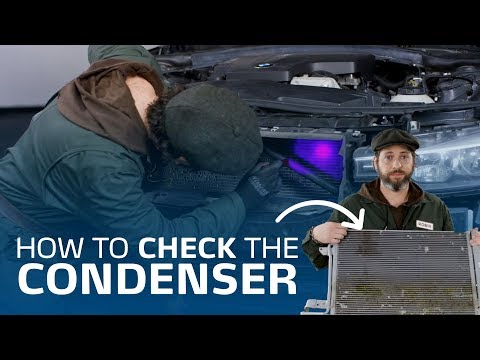
- The A/C Condenser: The outermost part that cools refrigerant.
- The Radiator: Located just behind the condenser, holding engine coolant.
- The Cooling Fan Assembly: Mounted behind the radiator to pull air through the system.
- The Radiator Support: The structural frame that holds these components in place.
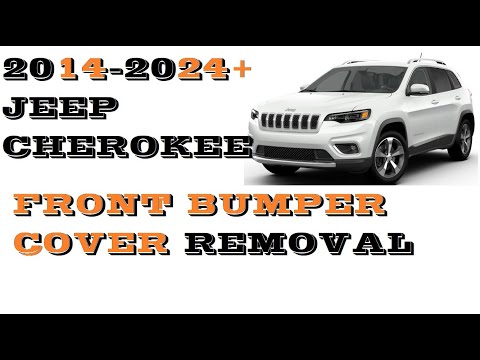
Because these parts are positioned mere inches apart, a fender bender that only scuffs the plastic bumper cover can cause a domino effect. The bumper pushes into the condenser, which bends into the radiator, which then cracks the plastic shroud of the cooling fans.
Why the Initial Estimate is Often Wrong
Most insurance claims begin with a field estimate or a photo-based estimate. An adjuster looks at the exterior of the vehicle and writes down what they can see—usually just the bumper cover, grille, and perhaps a headlight. This is a preliminary assessment, not a final repair plan.
The Teardown and the Supplement
The real repair process begins with a teardown. A technician removes the bumper cover and the impact bar to gain access to the internal components. This is when hidden damage is discovered.
When a shop finds damage not listed on the original insurance estimate, they submit a supplement. This is a document sent to the insurance company explaining the additional parts and labor required to return the vehicle to pre-accident condition. This is not extra work; it is the discovery of the actual damage caused by the impact.
Mechanical Diagnosis vs. Visual Inspection
One of the biggest mistakes a vehicle owner or an inexperienced adjuster can make is assuming that if a part is not leaking, it is not broken.
1. Electrical Failures
A cooling fan assembly may look perfect after a crash, but if the impact jarred the fan motor or pinched the wiring harness, the fan may fail to engage. If a shop does not electrically test the fans, your Jeep could overheat in traffic weeks after you pick it up.

2. Refrigerant Costs (R1234yf)
Many 2017 Jeep Cherokees use a newer type of refrigerant called R1234yf. While older cars used R134a, which was relatively inexpensive, R1234yf is significantly higher in price. If your condenser is even slightly dented or restricted, the system must be evacuated and recharged, which can add hundreds of dollars to an estimate that an initial visual inspection would have missed.
3. Sensors and ADAS
Modern Jeeps are equipped with sensors for airbags and potentially Advanced Driver Assistance Systems (ADAS), such as adaptive cruise control or parking sensors. A front-end hit can misalign these sensors or damage the wiring. A professional repair requires a diagnostic scan to identify fault codes that do not always trigger a light on the dashboard immediately.
Does Insurance Cover All of This?
Generally, insurance covers damage resulting directly from the loss event (the accident). However, there are nuances to consider:
- Collision Damage vs. Wear and Tear: If the shop finds your radiator was leaking due to old age or corrosion prior to the accident, the insurance company may deny that portion of the claim, making it a customer responsibility.
- OEM vs. Aftermarket Parts: Your insurance policy—not the repair shop—usually dictates what parts are used. Some policies allow for Original Equipment Manufacturer (OEM) parts, while others specify Alternative Parts like aftermarket or recycled components. Review your policy or consult your agent to understand your specific coverage.
- Policy Provisions: State laws and individual policy language vary. Some states allow you to choose your repair facility, while others have different regulations regarding diminished value or total loss thresholds.
Practical Steps for the Vehicle Owner
If your Jeep is in the shop for front-end repairs, ask the following questions to ensure the job is being done correctly:
- Was a full teardown performed? Do not authorize a final repair based on a photo estimate alone.
- Were the cooling fans electrically tested? Ensure they operate at all speeds and that the connectors are not cracked.
- Did you check the radiator supports? Even if the radiator is fine, a bent support can cause fitment issues with the hood and headlights.
- Are there any soft codes? Ask for a printout of the pre-repair and post-repair diagnostic scans to ensure all electronic systems are communicating properly.
The Bottom Line
A front-end collision on a 2017 Jeep Cherokee is rarely as simple as it looks. The cooling stack and the electronics behind the bumper are sensitive and expensive. Documentation is your best tool—ensure your shop takes clear photos of the damage discovered during teardown to justify the supplement to your insurance company.
Properly identifying mechanical damage early prevents engine overheating, A/C failure, and safety system malfunctions down the road. Always prioritize mechanical integrity over cosmetic appearance.



No Comments Yet
Be the first to comment on this article.