Curtis.Castiglione@ROzebra.com
2017 Honda Ridgeline Front-End Collision Repair Guide
When a 2017 Honda Ridgeline is involved in a front-end collision, the damage often extends far beyond the visible cracks in the plastic bumper cover. Because modern trucks are designed with tight tolerances and integrated cooling systems, a seemingly minor impact can compromise the engine and transmission. Understanding how these mechanical components interact with your insurance claim is vital for a proper restoration.
By Curtis Castiglione
The Vulnerability of the Cooling Package
Behind the grille of a Ridgeline sits what technicians call the cooling stack. This is a series of heat exchangers including the air conditioning condenser, the engine radiator, and often a dedicated transmission fluid cooler. These components are made of thin aluminum fins and tubes designed for maximum airflow, not impact resistance.
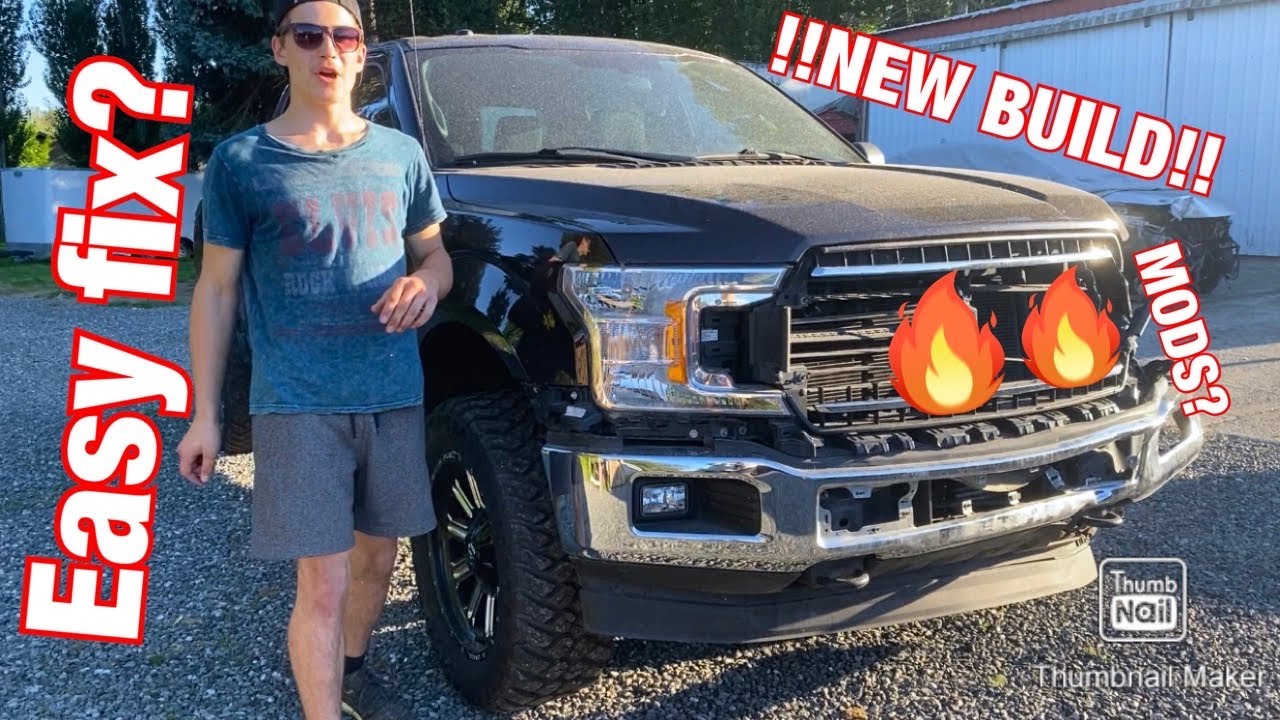
In a collision, the bumper reinforcement bar may flex or move rearward, pushing these components into one another. If the condenser is pushed into the radiator, it can create a leak or crush the cooling fins, leading to overheating. Of particular concern on the Ridgeline is the transmission cooler. If the lines or the cooler itself are breached, the transmission can lose fluid rapidly or, worse, suck in engine coolant if the internal heat exchanger fails. This is why a mechanical inspection is a non-negotiable part of a collision estimate.
Why Your Initial Estimate Is Likely to Change
It is common for an insurance adjuster to write an initial estimate based only on what they can see without taking the truck apart. This is often referred to as a visual estimate. However, once a shop begins the teardown process, they frequently discover hidden damage to the radiator supports, mounting brackets, or the underbody shields.
When these items are found, the repair facility will create an insurance supplement. This is a secondary request for additional funds to cover the newly discovered damage. For example, the plastic underbody shields on a Ridgeline are designed for aerodynamics and protection from road debris, but they often shatter or bend during a front-end hit. If these are not replaced, the cooling system and lower engine components remain exposed to the elements.

Mechanical vs. Collision Damage
A common point of confusion for vehicle owners is whether insurance covers mechanical repairs. If the mechanical failure is a direct result of the accident, it is generally covered under the collision portion of your policy. If your Ridgeline was driving perfectly before the hit and now has a leaking radiator or a transmission that slips due to fluid loss from a cracked line, that is collision-related mechanical damage.
However, insurance typically does not cover wear and tear. If a technician finds that your radiator was already leaking from an old corrosion spot unrelated to the impact, the insurance company may deny that specific part of the claim. Distinguishing between these two requires a qualified technician who can document the impact marks or stress fractures that prove the damage happened during the accident.
The Role of ADAS and Calibration
The 2017 Honda Ridgeline may be equipped with Advanced Driver Assistance Systems (ADAS), such as adaptive cruise control or collision mitigation braking. These systems often rely on a radar sensor located behind the front grille or bumper. Even if the sensor itself is not cracked, the brackets holding it may be bent by a few millimeters.

Following a front-end collision, Honda’s repair procedures often require a calibration of these sensors to ensure they are aiming correctly. This is a specialized labor operation that involves software and specific targets. This is not a "body work" task, but a technical diagnostic requirement that adds to the total cost of the claim. Owners should ensure that the final invoice includes a scan of the vehicle’s computer systems to verify all safety sensors are communicating properly.
Choosing Parts: OEM, Aftermarket, and Recycled
Insurance policies often contain language that allows the use of "Like Kind and Quality" (LKQ) or aftermarket parts. For a 2017 model, you may see an estimate that lists a non-Honda radiator or a used condenser from a salvage yard.
While these parts may fit, the cooling requirements for a truck used for towing are specific. You have the right to discuss part selection with your shop. If your policy allows, or if you are willing to pay the price difference (often called a "betterment" or out-of-pocket cost), you may prefer Original Equipment Manufacturer (OEM) parts to ensure the cooling capacity remains identical to the day the truck was built.
Steps for the Vehicle Owner
If you are managing a claim for a front-end collision, keep these practical steps in mind:
- Check for leaks: If you see fluid leaking after an accident, do not drive the vehicle. Operating a Ridgeline with low coolant or transmission fluid can turn a $1,000 radiator repair into an $8,000 engine or transmission replacement.
- Request scans: Ask your repair facility for a "pre-repair scan" and a "post-repair scan." This documents the health of the vehicle's electronics before and after the work is performed.
- Test the systems: Before taking delivery of your Ridgeline, verify that the air conditioning blows cold and that the temperature gauge remains in the normal range. Check under the front bumper for any signs of fresh leaks or loose hanging plastic shields.
- Document everything: Keep all paperwork. If you decide to sell the truck later, having a detailed repair file that shows the cooling system was professionally replaced and the sensors were calibrated will help maintain the vehicle's value.
Remember that insurance policies and state regulations vary, so always consult with your provider regarding specific coverage limits and your right to choose a repair facility.



No Comments Yet
Be the first to comment on this article.