Curtis.Castiglione@ROzebra.com

2017 Honda CR-V Front-End Collision Damage & Repair Guide
By Curtis Castiglione
If you have been involved in a low-speed collision in your 2017 Honda CR-V, you might look at the front of your car and think, "It is just a cracked bumper." You receive a preliminary estimate from your insurance company based on a few photos, and the numbers seem manageable.
However, a few days after dropping the vehicle off at a body shop, you receive a phone call: the repair cost has doubled or even tripled.
This is not necessarily a sign of a dishonest repair shop. In the modern automotive world—specifically with vehicles like the 2017 CR-V—the plastic bumper cover is essentially a mask that hides a complex network of cooling components, structural supports, and sensitive electronics.
The Myth of the Simple Bumper Repair
The plastic bumper cover on your CR-V is designed to be flexible. In a low-speed impact, it can deform, absorb energy, and then pop back into its original shape. While the plastic looks fine, the rigid components behind it do not have that same elasticity. When they are hit, they stay bent, cracked, or crushed.
Insurance adjusters often write preliminary estimates based on what is visible to the naked eye. It is only during the teardown phase—when the bumper cover is physically removed—that the full extent of the damage is revealed.
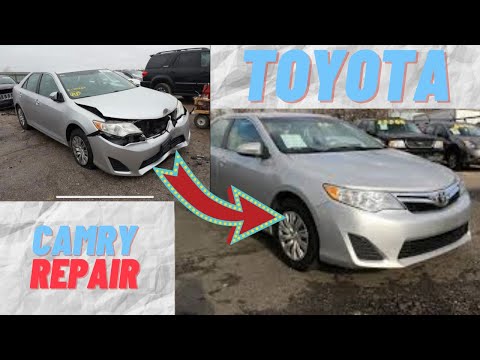
Hidden Damage: What Lies Beneath the Surface
On a 2017 Honda CR-V, three specific areas are frequently damaged in front-end collisions but rarely show up on the initial photo-based estimate.
1. The Cooling Package (Condenser and Radiator)
The air conditioning (A/C) condenser is a thin, aluminum component located at the very front of the engine bay.
- The Problem: It can be bowed or bent by an impact without leaking immediately.
- The Risk: If the shop does not perform a pressure test or a detailed visual inspection, you might drive away with a system that has a hairline fracture. Two months later, when the refrigerant finally leaks out, the insurance company may claim the failure is unrelated to the accident.

2. The Radiator Support
The radiator support is the structural frame that holds your cooling system, headlights, and hood latch in place.
- The Problem: On the CR-V, even a minor push can tweak this support.
- The Risk: A misaligned radiator support can cause ghost symptoms, such as a hood that vibrates at high speeds, headlights that point too low, or cooling fans that rub against their housings. While some insurers may want to straighten a metal support, manufacturer procedures often require replacement to ensure the hood latch works safely in a future accident.
3. Pinched Wiring and ADAS Sensors
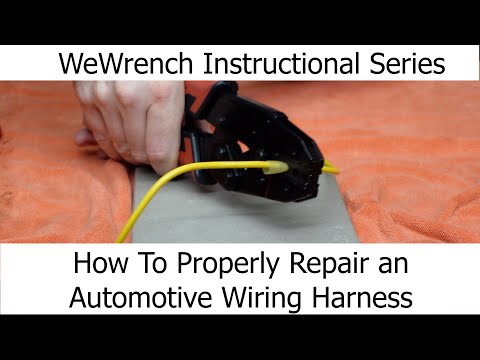
The 2017 CR-V is a tech-heavy vehicle. The wiring harness for the horns, ambient temperature sensors, and fog lights is often routed along the front of the radiator support.
- The Problem: Impact can pinch these wires against the frame. Even if the lights work today, a crushed wire can lead to corrosion and electrical failure months later.
- The ADAS Factor: If your CR-V is equipped with Honda Sensing, there is a radar sensor located in the front grille or lower bumper area. Even a slight jar can knock this sensor out of alignment. If the sensor is unplugged or moved during repair, it must be recalibrated using specialized targets and software.
Does insurance cover these hidden mechanical issues?
Generally, yes. Collision coverage is designed to return your vehicle to its pre-accident condition. This includes mechanical damage caused by the impact. However, it is important to distinguish between collision damage and wear-and-tear.
- Covered: A radiator cracked by the bumper beam during a crash.
- Not Covered: A radiator that is leaking because the plastic tanks have become brittle from age and heat.
If your estimate changes, it is usually because the shop has filed a supplement. This is a secondary claim for additional parts and labor found during the teardown. Most insurance companies expect supplements and will approve them once the shop provides photo documentation of the damage.
The Parts Debate: OEM vs. Aftermarket
One reason your estimate might be a point of contention is the type of parts used.
- OEM (Original Equipment Manufacturer): Parts made by Honda.
- Aftermarket/LKQ: Parts made by a third party or Like Kind and Quality (recycled) parts.
Insurance policies often allow for aftermarket parts to keep costs down. However, for structural components like the radiator support or sensitive cooling components like the condenser, fitment is everything. If an aftermarket part is even a few millimeters off, your fenders and hood may never line up correctly. As the owner, you should check your policy and discuss part selection with your shop.
What should I do if I have front-end damage?
To ensure your 2017 Honda CR-V is repaired correctly, follow these practical steps:
- Demand a Teardown: Do not rely on a parking-lot estimate. Authorize the shop to remove the bumper to inspect the condenser, radiator support, and wiring.
- Ask about ADAS Calibrations: If your car has Adaptive Cruise Control or Collision Mitigation Braking, ask the shop for a Post-Repair Scan and documentation of sensor calibration.
- Inspect the Wiring: Ask the technician if they checked the front wiring harness for nicks or pinched sections.
- Review the Supplement: Ask the shop to show you the before and after of the estimate so you understand exactly what hidden damage was found.
- Check Your Policy: Understand if you have an OEM Parts endorsement or if your insurer has the right to use recycled or aftermarket components.
The 2017 Honda CR-V is a highly engineered machine. What looks like a simple cosmetic fender bender often involves the cooling system, structural integrity, and electronic safety sensors. By ensuring your repair facility performs a thorough teardown and follows manufacturer-recommended procedures, you protect both the resale value of your vehicle and your safety on the road.
Disclaimer: Insurance policies and state laws vary significantly. This article is for informational purposes. Always review your specific policy and consult with your insurance carrier or a qualified repair professional regarding your claim.



No Comments Yet
Be the first to comment on this article.