Curtis.Castiglione@ROzebra.com
2017 Ford Fusion Rear Suspension Collision Repair Guide
If you drive a 2017 Ford Fusion and have been involved in a collision where the rear wheel took the brunt of the hit, you might be looking at a repair estimate that seems surprisingly high. Even if the bumper cover only shows a minor scratch or the quarter panel looks fine, the mechanical reality underneath the skin can be far more complex.
In modern vehicles like the Fusion, the rear suspension is engineered for precision and weight savings, which unfortunately makes it susceptible to invisible damage during a side impact or a hard curb-check.
Understanding the Anatomy of the 2017 Ford Fusion Rear Suspension
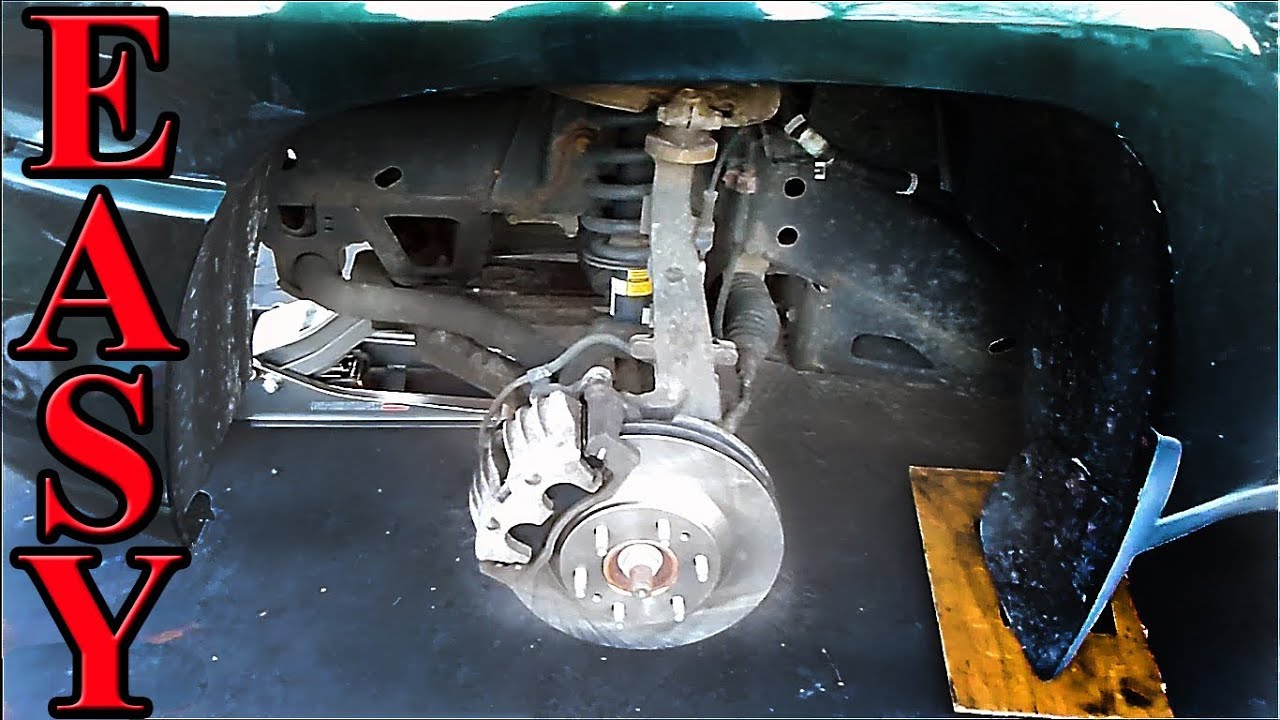
The 2017 Ford Fusion utilizes a multi-link rear suspension. This design provides excellent handling, but it relies on several components working in perfect harmony.
- The Knuckle: This is the heavy casting that holds the wheel hub and bearing. It is the central junction box where all other suspension arms connect.
- The Toe Link: This is a relatively thin metal rod responsible for keeping the wheel pointed straight. Because it is designed to be lightweight, it is often the first part to bend during a lateral (side) impact.
- Control Arms: These bars manage the up-and-down movement and the camber (the inward or outward tilt) of the wheel.
The Problem: A toe link or knuckle can be bent by as little as three or four millimeters—an amount impossible to see with the naked eye—yet enough to ruin your tires and make the car unsafe to drive.
Why Did My Initial Insurance Estimate Change?
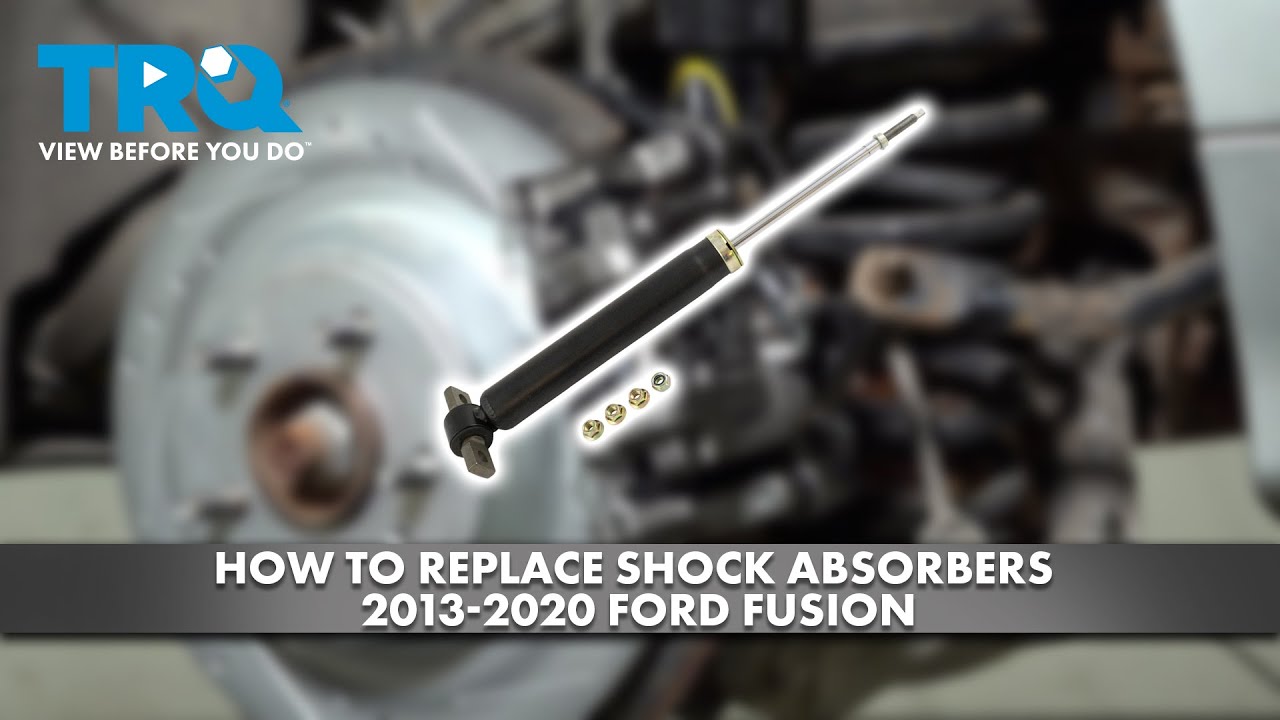
It is common for an initial insurance estimate to be lower than the final bill. This is because most insurance adjusters write a visual-only estimate first. If the wheel isn't shattered and the car is driveable, they may not include suspension parts until a shop provides proof of damage.
The Role of the Supplement
Once the vehicle is at a professional repair facility, the technician will perform a computerized four-wheel alignment. If the machine shows that the rear toe or camber is out of manufacturer specifications and cannot be adjusted back into the green zone, the shop has objective proof of a bent part.
The shop then submits a supplement—a request for additional funds—to the insurance company to cover the cost of the knuckle, toe link, or other damaged components discovered during the teardown.

The Concept of Betterment
One insurance term you should know is betterment. If your Fusion had 80,000 miles on it and the collision damaged a tire that was already 70% worn, the insurance company may only pay for 30% of the cost of a new tire. They argue that putting a brand-new tire on the car puts you in a better position than you were before the accident. This same logic can sometimes apply to suspension bushings or other wear-and-tear items.
Hidden Dangers: Wheels, Tires, and ADAS
A collision involving a wheel isn’t just about the metal bars holding it on. There are several high-tech and safety-critical factors to consider:
- Internal Tire Damage: A tire can sustain an impact break (snapped internal cords) while looking perfect on the outside. This can lead to a dangerous sidewall bubble or blowout weeks after the repair.
- Wheel Runout: Even if a wheel isn't cracked, it can be out of round (wobbling). Shops should check for runout to ensure the wheel is perfectly circular.
- Blind Spot Sensors (ADAS): The 2017 Ford Fusion is often equipped with Blind Spot Information Systems (BLIS). These radar sensors sit behind the corners of the rear bumper. If the rear suspension was hit hard enough to shift the thrust angle (the direction the rear wheels point), or if the bumper was removed for repair, these sensors may require recalibration to ensure they are monitoring the correct lane.

Practical Steps for the Vehicle Owner
If you are navigating a repair for a 2017 Ford Fusion rear suspension hit, follow these steps to ensure a safe and complete repair:
- Request the Alignment Printout: Always ask the shop for the before and after readings. If the before readings are in the red, it justifies the replacement of those parts and provides necessary documentation for your insurance claim.
- Verify Part Types: Ask if the shop is using OEM (Original Equipment Manufacturer) parts, LKQ (Like Kind and Quality) recycled parts, or aftermarket parts. While recycled knuckles are often acceptable, many technicians prefer brand-new toe links to ensure the metal hasn't been fatigued or stressed.
- Ask About the Thrust Angle: If the rear wheels are not pointing perfectly straight forward, the car will dog-track, meaning the rear end follows a slightly different path than the front. This causes the steering wheel to be crooked even when driving straight and can interfere with stability control systems.
- Avoid Quick Fixes: Do not allow a shop to slot the holes (grind out mounting holes to allow for more adjustment) or use aftermarket camber kits to hide a bend. The goal of a collision repair is to return the vehicle to its original factory geometry using manufacturer-approved methods.
Frequently Asked Questions
Does insurance cover the cost of an alignment?
Yes. If the wheel was struck during the loss, the insurance company typically covers a diagnostic alignment. If the alignment proves damage exists, they pay for the mechanical repair and the final alignment to verify the fix.
Why does my repair cost more than the car's value?
In some cases, if the impact was severe enough to bend the mounting points on the vehicle’s body (the subframe or unibody), the car may require frame rack time for measurement and pulling. If the total cost of parts, labor, and structural repair exceeds a certain percentage of the car's value (usually 70-80% depending on state law), the insurance company may declare the vehicle a total loss.
What should I do if my car feels weird after the repair?
If you feel a vibration, hear a humming noise (which could indicate wheel bearing damage), or feel the car floating or pulling, take it back to the shop immediately. Suspension damage can be subtle, and a secondary inspection of the hub or internal tire structure may be needed.
The Bottom Line: The 2017 Ford Fusion is a sophisticated machine. What looks like a simple bumper scuff can involve a complex web of suspension geometry and electronic sensor calibration. Always insist on a professional alignment and detailed documentation to ensure your vehicle remains safe and holds its value.
Written by Curtis Castiglione



No Comments Yet
Be the first to comment on this article.