Curtis.Castiglione@ROzebra.com
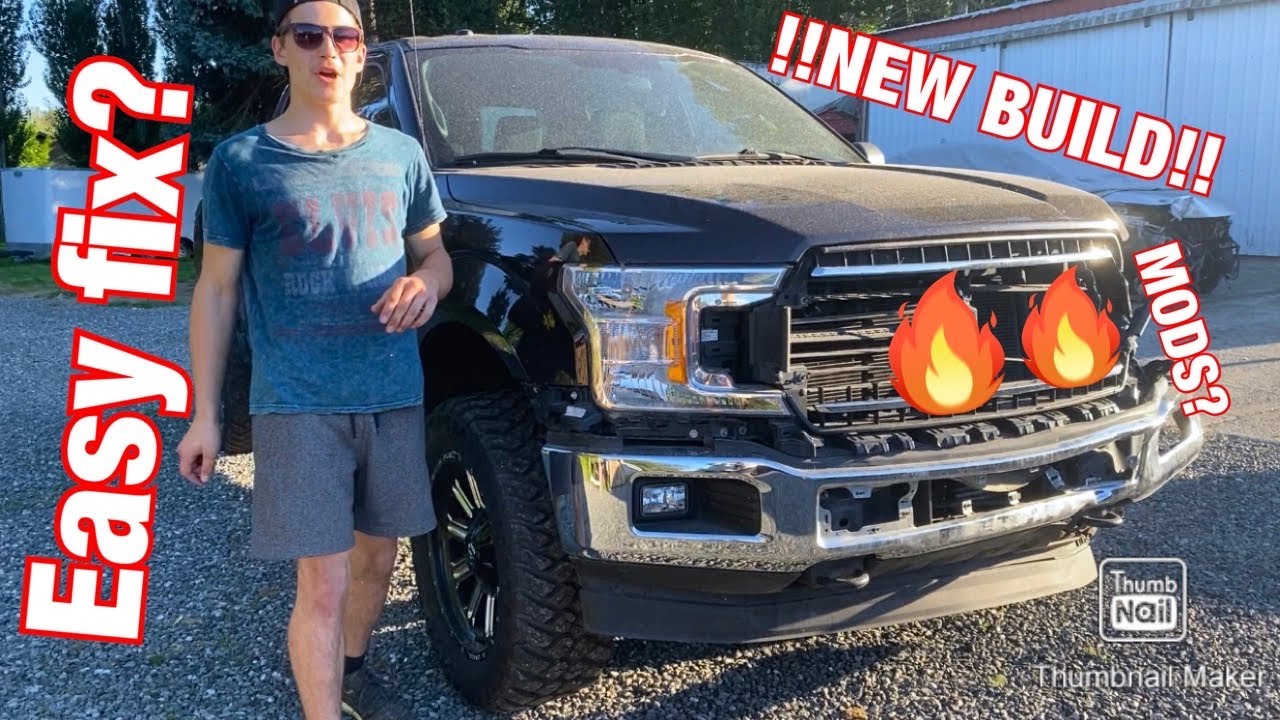
2017 Ford F-150 Rear-End Collision Repair Guide
If you own a 2017 Ford F-150 and have recently been rear-ended, you may be surprised by the initial estimate. Whether it came from an insurance adjuster’s smartphone app or a quick walk-around at a local shop, that first number is rarely the final cost.
On a modern truck like the 2017 F-150, a rear-end impact involves much more than a dented bumper. Because this model year utilizes an aluminum-alloy body and houses sensitive electronics within the tailgate, the repair process is significantly more complex than it appears on the surface.
The Visual Estimate vs. The Teardown
When an insurance adjuster looks at your truck in your driveway, they are writing a visual estimate. This is a preliminary document based only on what is externally visible. However, professional collision repair requires a teardown, also known in the industry as blueprinting.
During a teardown, a technician removes the rear bumper and tailgate to inspect the underlying structure. It is during this phase that the estimate almost always increases. In the insurance world, these added costs are handled through a supplement—an additional claim for damages found after the initial estimate was written.

Why the Aluminum Tailgate Changes Everything
The 2017 F-150 was part of Ford’s groundbreaking shift to high-strength, military-grade aluminum alloy. While this reduces weight, it changes the repair math:
- No Shape Memory: Unlike traditional steel, aluminum does not have shape memory. It is much harder to pull a dent out of aluminum and have it retain its structural integrity.
- Specialized Labor: Aluminum repair requires dedicated tools and clean rooms to prevent cross-contamination with steel dust, which causes galvanic corrosion. Consequently, labor rates for aluminum work are often higher than standard bodywork rates.
- Strict Replacement Guidelines: Ford often recommends replacing an aluminum tailgate shell rather than repairing it if the damage is near the hinge points or internal reinforcement. A twisted shell will cause the tailgate to latch incorrectly or feel heavy.

Hidden Structural Damage: The Rear Crossmember
The bumper on your F-150 is designed to absorb energy, but it often transfers that energy directly into the rear crossmember—a critical steel component that ties the back of the frame rails together.
If the crossmember is even slightly out of alignment, you may face several issues:
- Towing Safety: Your hitch may no longer be square, affecting trailer tracking and towing safety.
- Fitment Issues: The bed sides may flare, causing the tailgate to fit poorly or fail to latch.
- Frame Integrity: Detecting this requires a 3D measuring system. If your estimate does not include a line item for setup and measure, you should ask the shop how they confirmed the frame is square.
The Role of the Backup Camera and ADAS
Most 2017 F-150s feature a backup camera mounted near the tailgate handle. In a collision, the camera might look fine on the outside, but the internal mounting bracket can bend.
Even a one-degree shift in the camera’s mounting angle can render the digital parking lines on your dashboard inaccurate. Furthermore, modern trucks use Advanced Driver Assistance Systems (ADAS). A rear impact necessitates a pre-repair and post-repair diagnostic scan. This is a mechanical diagnosis where a technician plugs a computer into the truck to ensure the sensors, such as parking sensors and cross-traffic alerts, are communicating correctly. If a sensor was jarred, it may require recalibration, a technical operation that adds to the repair cost but is vital for safety.
Who Pays for the Parts? OEM vs. Aftermarket
A common point of friction is whether the shop uses Original Equipment Manufacturer (OEM) parts, aftermarket parts (third-party), or recycled (used) parts.
- The Insurance Policy: Your insurance policy, not the repair shop, generally dictates which parts are covered. If your policy allows for alternative parts, the insurance company may only pay the price of an aftermarket or recycled tailgate.
- The Cost Gap: If you insist on brand-new OEM Ford parts but your policy only covers aftermarket, you may be responsible for the price difference.
- Recycled Concerns: While a recycled aluminum tailgate can be a good option, it must be meticulously inspected for previous repairs or work hardening, which can make aluminum brittle.
Practical Steps for the Vehicle Owner
To ensure your truck is repaired correctly and your insurance claim is handled fairly, follow these steps:
- Document the Before: Take photos of the gaps between the tailgate and the bed. Take a photo of your backup camera display while the truck is in reverse to show any alignment issues.
- Ask for the Scan Report: Request a copy of the diagnostic scan report from the shop to see if any fault codes were triggered by the accident.
- Review the Supplement: When the shop finds hidden damage, ask them to show you the damaged crossmember or mounting points while the bumper is off.
- Check the Hinge Operation: After the repair, the tailgate should drop smoothly and latch with minimal effort. If you have to slam it, the structure may still be misaligned.
In most states, you have the legal right to choose your repair facility. Because the 2017 F-150 requires specialized aluminum equipment, you should ensure the shop has the specific tooling and training required for aluminum structural repair. If there is a significant gap between what the shop says is necessary and what the insurance company is willing to pay, consult your policy’s appraisal clause.
A 2017 Ford F-150 is a sophisticated machine. Treating a rear-end collision as a simple cosmetic fix can lead to long-term safety issues and a lower resale value. Ensure your repairer follows manufacturer-recommended procedures to return your truck to its pre-accident condition.



No Comments Yet
Be the first to comment on this article.