Curtis.Castiglione@ROzebra.com

2017 Ford Explorer Rear-End Collision: Hidden Damage and Repair Guide
By Curtis Castiglione
If you have been rear-ended in a 2017 Ford Explorer, your first instinct might be to look at the plastic bumper and breathe a sigh of relief if it isn't hanging off. However, in the world of modern collision repair, the bumper cover is merely a fascia—a cosmetic skin designed to look good and improve aerodynamics.
Because of the Explorer's design, the liftgate, rear glass, and sophisticated safety electronics are all positioned in the crush zone. What looks like a 1,000 dollar bumper scratch can easily evolve into a 5,000 dollar structural and mechanical repair. Understanding the relationship between the physical damage and the insurance claim process is essential to ensuring your vehicle is safe and retains its value.
Why did my initial insurance estimate change?
It is common for an initial insurance estimate—often written from photos or a quick field inspection—to be significantly lower than the final repair bill. This is not necessarily a sign of a bad insurance company; it is a result of the teardown process.
A 2017 Explorer's bumper cover is made of plastic that often pops back into its original shape after an impact, hiding the damage underneath. Once a technician removes that cover, they often find:
- A crushed rear body panel: The metal structure that holds the liftgate latch.
- Buckled floor pans: Damage to the metal where the spare tire sits.
- Damaged energy absorbers: The foam or plastic components designed to take the brunt of the hit.
When these items are discovered, the shop submits a supplement. This is an additional claim for parts and labor that were not visible during the first inspection.

The Complexity of the Liftgate and Rear Wiper System
The liftgate on a 2017 Explorer is a complex assembly of mechanical and electronic parts. One of the most frequently overlooked areas is the rear wiper and washer system.
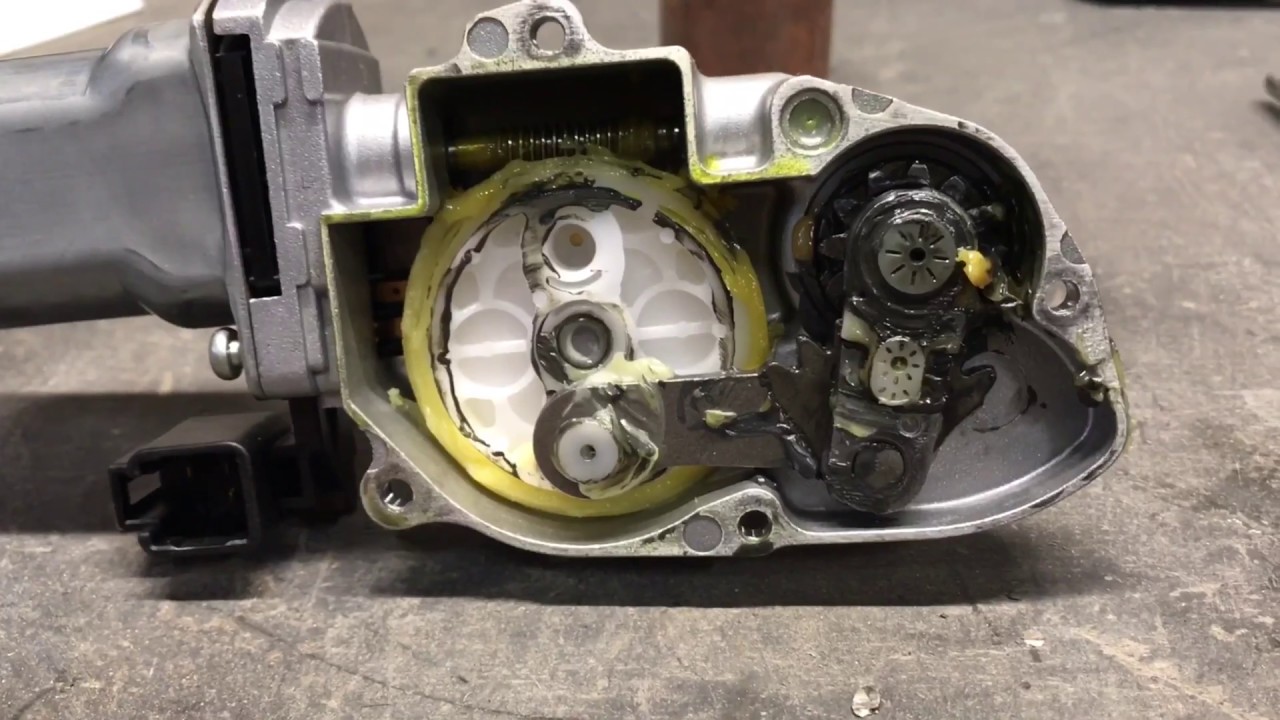
The Moving Wiper Myth A common mistake is assuming that if the rear wiper arm still moves, the system is fine. This is often false. A rear-end impact can crack the internal motor housing, leading to premature failure months later. It can also pinch the washer hose inside the liftgate pillar. A pinched hose can cause backpressure that blows a connection, leaking washer fluid into the interior trim or onto sensitive electronic modules.
Furthermore, the washer nozzle can be jarred out of alignment, leading to poor visibility and fluid spray that misses the glass entirely.
Structural Alignment: More Than Just Gaps
The liftgate must seal perfectly against the rear body opening. This isn't just about aesthetics; it is a safety requirement. If the rear body opening has shifted even a few millimeters, it can lead to serious issues:
- Exhaust Ingress: A poor seal can allow carbon monoxide from the exhaust to enter the cabin.
- Water Leaks: Misalignment leads to trunk leaks, which can ruin carpets and cause mold.
- Wind Noise: Gaps at highway speeds create whistling sounds that indicate a failure to seal.
If you notice uneven gaps between the liftgate and the fenders, the vehicle likely needs to be placed on a frame rack with a computerized measuring system. Simply adjusting the latch to make it click is not a proper repair.
The Role of ADAS (Advanced Driver Assistance Systems)
Modern Explorers often feature Blind Spot Monitoring and Rear Cross-Traffic Alert. The sensors for these systems are frequently located behind the corners of the rear bumper.
An impact can jar these sensors out of alignment without leaving a single mark on the sensor itself. If your repair facility does not perform a pre-repair and post-repair diagnostic scan, they may miss soft codes stored in the vehicle's computer. A post-repair scan and subsequent calibration is the only way to verify that the vehicle's safety brain is actually communicating with its eyes. This is especially true for the rear-view camera, which requires digital calibration if the liftgate or mounting brackets are moved.
Parts Selection: OEM, Aftermarket, and Recycled
Your insurance policy dictates how repairs are paid for, but your shop executes the repair. You may encounter these terms during the estimating process:
- OEM (Original Equipment Manufacturer): New parts made by Ford.
- Aftermarket: Parts made by a third party. While often cheaper, fitment and electronic compatibility (especially for cameras and sensors) can vary.
- LKQ (Like Kind and Quality): These are recycled or used parts from a donor vehicle. For a 2017 Explorer, a recycled liftgate can be a high-quality option, but it must be inspected for previous body work or hidden rust.
Insurance coverage for OEM parts varies by policy and state law. Review your policy or consult your agent to see if you have an OEM Parts Choice endorsement.
What should I do before authorizing repairs?
To protect yourself and your vehicle, ask your repair facility the following questions:
- Will you perform a functional test of the rear washer system and check for internal leaks?
- Do you perform pre- and post-repair diagnostic scans to check for ADAS sensor faults?
- Have the liftgate hinges and the rear body panel been measured for structural alignment?
- If the camera is moved or replaced, will you be performing a calibration?
Summary
A rear-end collision on a 2017 Ford Explorer is rarely just a bumper repair. Between the mechanical intricacies of the washer system, the structural requirements of the liftgate seal, and the calibration of safety sensors, these repairs require a professional teardown and specialized diagnostics. Always remember that the initial estimate is just a starting point. Ensure your shop documents every step of the repair to protect your safety and the future resale value of your Explorer.



No Comments Yet
Be the first to comment on this article.