Curtis.Castiglione@ROzebra.com
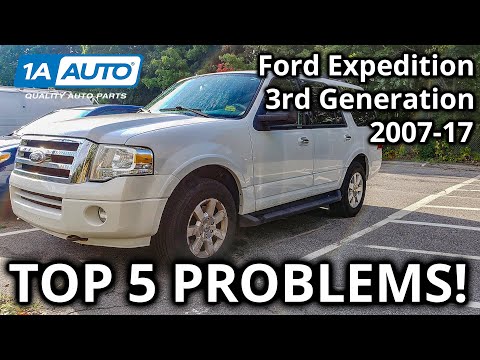
2017 Ford Expedition Rear-End Damage and Repair Guide
When a 2017 Ford Expedition is involved in a rear-end collision, the damage often looks less severe than it actually is. Because this is a large, body-on-frame SUV frequently equipped with a heavy-duty towing package, the physics of an impact differ significantly from those of a standard passenger car.
If you are a vehicle owner looking at a "minor" scuff on your bumper, you might be surprised when the repair estimate triples in cost after the shop takes the car apart. Understanding how forces travel through the trailer hitch, rear structure, and liftgate is essential for ensuring your vehicle is safe to drive—and safe to tow with—after the repair.
Why did my estimate change? The Reality of Hidden Damage
It is a common source of frustration: the insurance adjuster writes an initial estimate for $1,200, but the body shop calls a week later saying the total is now $4,500. This isn't necessarily "price gouging"; it is the result of the supplement process.
Most of the critical safety components on the rear of your Expedition—the bumper reinforcement bar, the rear body panel, and the hitch mounting bolts—are hidden behind a flexible plastic bumper cover. This cover is designed to "pop" back into shape after an impact, hiding the crushed metal underneath.

In the industry, we perform a teardown (disassembling the damaged area) to find the hidden damage. Once the shop documents these findings with photos, they submit a supplement to the insurance company to cover the additional parts and labor. As a vehicle owner, you should never assume an initial insurance estimate is the final word on the cost of repair.
The Hitch Effect: How Towing Packages Change Impact Physics
Most modern cars use crumple zones to absorb energy during a crash. However, the 2017 Ford Expedition’s trailer hitch is bolted directly to the vehicle’s frame rails. Because a hitch is a rigid steel component that does not compress, it acts as a bypass for the bumper’s energy-management system.
Why the hitch requires a specialized inspection:
- Force Transmission: Even a low-speed fender bender can transmit significant force directly into the frame rails or the rear body floor via the hitch.
- Mounting Points: If the receiver tube was struck, the mounting points on the vehicle must be inspected for cracks, pulled welds, or distorted metal.
- Towing Safety: A hitch that looks fine on the outside may have compromised the integrity of the rear structure. Using a damaged mounting point to tow a heavy trailer could lead to structural failure on the highway.

The Complexity of Liftgate Alignment and Sealing
The liftgate on an Expedition is a massive, heavy component that requires precise geometry to function. In a rear collision, the hinges, the latch assembly, and the surrounding D-pillars can be knocked out of alignment even if the glass didn't break.
A common mistake is assuming that if the liftgate closes and locks, the repair is correct. However, if the rear structure is even slightly distorted, you may experience:
- Uneven Gaps: One side of the door sits closer to the body than the other.
- Water Leaks: The weatherstripping may not compress correctly, leading to mold or ruined electronics in the cargo area.
- Exhaust Intrusion: A poor seal can allow dangerous carbon monoxide from the exhaust to be pulled into the cabin while driving.
Proper repair requires measuring the rear opening with specialized 3D measuring systems to ensure it meets Ford’s factory specifications before any paint work begins.
Electronics, Cameras, and ADAS Calibration
The 2017 Expedition is equipped with several electronic components in the rear that are easily damaged. Even if the outer shell looks fine, the delicate tech inside can fail.
- Backup Camera: Even if the camera still shows a picture, a bent mounting bracket can cause the guidance lines on your screen to be inaccurate, leading to a collision while reversing.
- Parking Sensors: These ultrasonic sensors are fragile and often require replacement and "pre-post" diagnostic scans to ensure they are communicating with the vehicle’s computer.
- Trailer Wiring: The wiring plug is often mounted directly to or near the hitch. Pinched or cracked wiring can cause electrical shorts that may disable your trailer brakes or lighting.

Parts Selection: OEM vs. Aftermarket
One of the biggest points of contention in insurance claims is the use of Original Equipment Manufacturer (OEM) parts versus Aftermarket (non-Ford) parts.
Insurance policies vary by state and by the specific language in your contract. Some policies allow the use of aftermarket or recycled (used) parts to save costs. However, when it comes to structural components and towing equipment, the strength of the steel and the quality of the welds are critical. You should ask your adjuster: "Does my policy allow for OEM parts for structural and safety components?" and consult with your shop about the manufacturer’s recommended repair procedures.
What should I do before authorizing repairs?
To ensure your SUV is restored to its pre-accident condition, ask the following questions of your repair facility:
- Was the trailer hitch removed to inspect the frame mounting points? A visual check from underneath is often insufficient to find pulled metal or cracked welds.
- Did you perform a structural measurement to ensure the rear body opening is square? This is the only way to guarantee the liftgate will seal properly.
- Was the backup camera tested for proper aim and calibration?
- Did you test the trailer wiring harness for electrical continuity?
- Are there any open supplements or hidden damages that haven't been approved yet?
Conclusion
A rear-end collision on a 2017 Ford Expedition involves more than just a new bumper and a fresh coat of paint. Because of the towing system and the large liftgate, the repair process must include a thorough inspection of the vehicle’s "skeleton." If you use your vehicle for towing or for transporting your family, ensuring the structural integrity of the rear section is the most important part of the repair.
Disclaimer: Insurance policies and state laws vary. Review your policy and consult with a qualified collision professional or your insurance company regarding specific coverage and repair requirements.



No Comments Yet
Be the first to comment on this article.