Curtis.Castiglione@ROzebra.com

2017 Chevrolet Traverse: Hidden Front-End Collision Costs
By Curtis Castiglione
If you own a 2017 Chevrolet Traverse and have been involved in a front-corner collision, you might be looking at a cracked headlight and a scuffed bumper, thinking the repair will be a simple 'off-and-on' parts replacement. However, it is common for an initial insurance estimate of $1,200 to balloon to $4,000 or more once the vehicle is inside the shop.
This is not necessarily a sign of a dishonest repair facility; rather, it is a reflection of how modern crossovers are engineered. Beneath the plastic 'skin' of the Traverse lies a complex network of structural supports and sensitive electronics that are easily compromised in even low-speed impacts.
Why did my estimate change after the shop started working?
Most insurance claims begin with a 'field estimate' or a 'photo estimate.' An insurance adjuster or an appraiser writes this based only on what is visible from the outside. In the industry, this is known as a preliminary estimate.
On a 2017 Traverse, the headlight lens might appear perfectly fine, but the plastic mounting tabs that secure the housing to the vehicle frame are often the first things to snap. Because these tabs are molded into the headlamp housing, a single broken tab usually requires the replacement of the entire expensive unit.

The real 'sticker shock' happens during the teardown process. Once the bumper cover is removed, the shop can see the underlying damage to the radiator support and brackets. If the shop finds damage that was not on the original paperwork, they submit a supplement.
What is a Supplement?
A supplement is an additional claim sent to the insurance company for parts, labor, or operations discovered after the vehicle has been disassembled. This is a standard part of the collision repair process. The insurance company will usually verify these findings via photos or a re-inspection before authorizing the extra cost.
The Hidden Complexity: Radiator Supports and Wiring
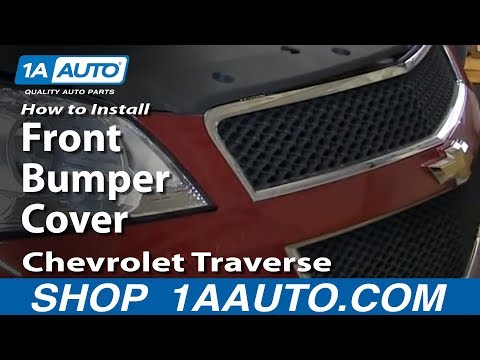
The 2017 Chevrolet Traverse utilizes a tightly packaged front end where components are tucked closely together to save space and improve aerodynamics.
The Radiator Support
The radiator support is the structural skeleton of the front end. It holds the radiator, the air conditioning condenser, and the cooling fans in place. On the Traverse, if this support is cracked or shifted by even a fraction of an inch:
- The hood latch may not align properly.
- The gaps between the fenders and the hood will look 'off.'
- The cooling fans may experience premature wear due to vibration or misalignment.
Electrical Integrity
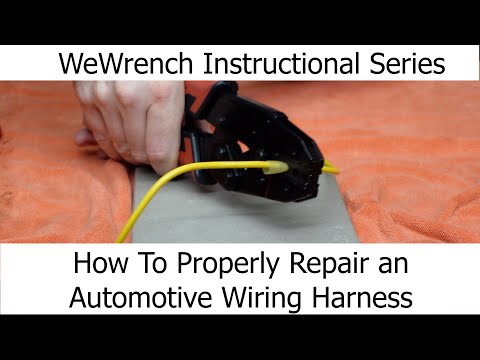
Modern wiring harnesses run directly behind the headlight and along the radiator support. During a collision, these wires can be pinched between the bumper reinforcement and the frame. Even if your lights still work today, damaged insulation can allow moisture to enter the wires, leading to wicking and corrosion that can cause 'ghost' electrical issues months down the road.
Does insurance cover these hidden 'mechanical' repairs?
Generally, yes. Most collision policies cover all damage 'arising out of the loss,' which includes the mechanical and electrical components affected by the impact.
However, there is often a debate regarding parts usage:
- OEM (Original Equipment Manufacturer): Parts made by General Motors specifically for your Traverse.
- Aftermarket: Parts made by a third party.
- Recycled (LKQ): Used parts salvaged from a donor vehicle.
Your insurance policy—not the repair shop—usually dictates which parts are paid for. Many policies allow for aftermarket or recycled parts on a vehicle that is several years old, like a 2017 model. If you want brand-new GM parts, you should check if your policy has an 'OEM Endorsement.'
What should I do if my Traverse was hit in the front corner?
To ensure your vehicle is restored to its pre-accident safety and performance levels, follow these practical steps:
- Request a full teardown: Do not authorize the final repair until the bumper has been removed and the shop has inspected the radiator support and the 'inner' structure.
- Ask for a Diagnostic Scan: Even if no dashboard lights are on, a 'post-repair scan' is essential to ensure the impact did not trigger fault codes in the airbag sensors or the engine cooling system.
- Verify Wiring Inspections: Ask the technician specifically if they checked the wiring looms for pinched or stretched sections near the point of impact.
- Check the Cooling Package: If the radiator support was damaged, ask the shop to perform a pressure test on the cooling system to rule out hairline fractures in the radiator or AC condenser.
- Inspect Body Alignment: When you pick up the car, look at the 'gaps' (the spaces between panels). If the gap between the hood and the headlight is wider on one side than the other, something underneath is likely still bent or misaligned.
A front-end hit on a 2017 Chevrolet Traverse is rarely 'just a headlight.' Because the headlight, radiator support, and wiring harnesses are interconnected, a proper repair requires a thorough inspection of the components you cannot see. By understanding the supplement process and the importance of structural alignment, you can ensure your Traverse remains safe and reliable for years to come.
Disclaimer: Insurance policy provisions and state laws vary. Always review your specific policy and consult with your insurance agent or a qualified collision professional regarding your repair.



No Comments Yet
Be the first to comment on this article.