Curtis.Castiglione@ROzebra.com
2017 Chevrolet Cruze Rear Collision: Hidden Damage & Insurance
If you own a 2017 Chevrolet Cruze and were recently involved in a rear-end collision, you might be surprised by the initial repair estimate. At first glance, the damage may look like nothing more than a scratched or dented plastic bumper. However, because of the compact design of the Cruze, critical mechanical systems—including the fuel tank, exhaust, and suspension—are packed tightly into the rear of the vehicle.
What looks like a simple "fender bender" often evolves into a complex insurance claim involving mechanical diagnostics and structural repairs. Understanding why these costs escalate can help you navigate the insurance process and ensure your vehicle is returned to a safe operating condition.
The Path of Travel: Why Hidden Damage Occurs
In the collision repair industry, we look at the path of travel. This refers to how the energy of an impact moves through the vehicle’s frame and components. On a 2017 Cruze, the rear body panel (the metal structure behind the bumper) sits very close to the fuel tank and exhaust assembly.
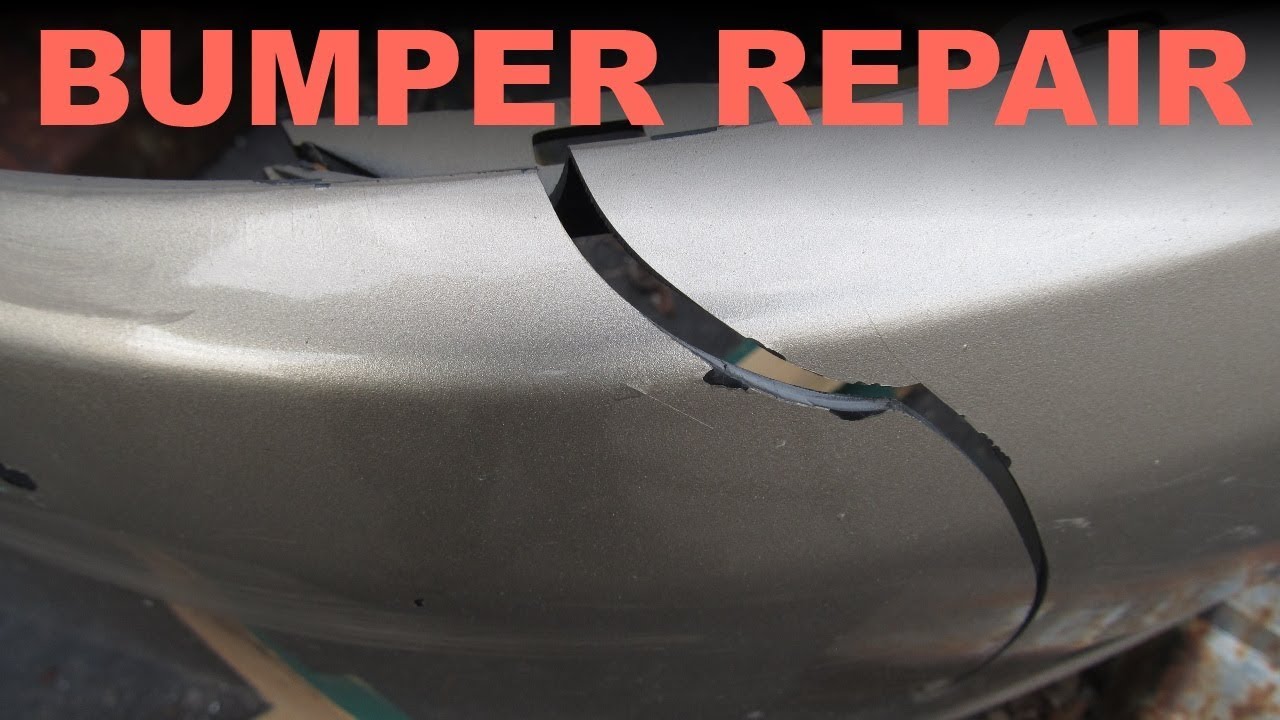
When a collision occurs, the plastic bumper cover flexes inward and then often pops back out. While the bumper looks fine, the metal reinforcement bar underneath may have crushed into the rear body panel, which in turn can strike mechanical components.

The Exhaust System
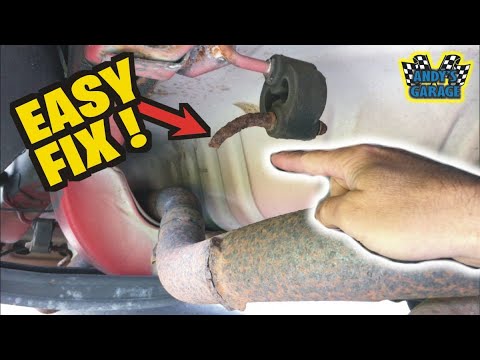
The exhaust system is a long, rigid assembly suspended by rubber hangers. It is far more than just a pipe; it is a tuned system that runs the length of the vehicle.
- The Domino Effect: A hit to the rear tailpipe can shove the entire exhaust system forward. This can stretch or tear the rubber hangers or, more seriously, snap or bend the exhaust manifold bolts at the front of the engine.
- Symptoms: If you hear a new rattle, a deep humming sound, or feel a vibration through the floorboards after a hit, your exhaust system is likely misaligned or damaged.
The Fuel and EVAP System
Modern vehicles like the Cruze utilize plastic components for the fuel tank and the Evaporative Emissions (EVAP) system to save weight and improve packaging.
- Concealed Cracks: These plastic parts can crack during an impact. Because these systems are pressurized and monitor vapors, even a hairline fracture can trigger a Check Engine light or create a faint smell of gasoline.
- Safety Hazard: This is not just a cosmetic issue; a compromised fuel system is a significant safety risk and will cause the vehicle to fail emissions testing.

Why Did My Insurance Estimate Change?
It is common for an initial insurance estimate—written in a driveway or based on photos uploaded to an app—to be significantly lower than the final bill. This is due to a few industry-standard practices:
- Visual Estimates: Adjusters generally only write for what they can see. They will rarely include a fuel tank inspection or a suspension alignment unless there is obvious, undeniable damage.
- The Teardown: Once the car is at a shop, the technician performs a "teardown," removing the bumper cover to inspect the structure beneath.
- The Supplement: When the shop finds "concealed damage" (like a buckled floor pan or a cracked vapor canister), they submit a supplement. This is a request for additional funds sent to the insurance company. This is a standard part of the repair process, but it explains why the final cost often increases from the original quote.
Suspension and Tracking Issues
The 2017 Cruze utilizes a rear twist-beam suspension. If the impact reached one of your rear wheels, the repair becomes highly technical.
- The Risk of Dog-Tracking: If the rear beam is bent even slightly, the car will not "track" straight. This leads to poor handling and will ruin your tires in a matter of months.
- Parts Choice (OEM vs. LKQ): Insurance companies may suggest using "LKQ" (Like Kind and Quality) parts, which are essentially used parts from a salvage yard. While this is common, the shop must verify that the used suspension beam is perfectly straight and that the wheel bearings are not damaged.
- The Proof: Always ask for a four-wheel alignment printout after a rear-impact repair involving a wheel. This document is your proof that the suspension is back within the manufacturer’s specifications.

Modern Technology: ADAS and Sensors
Even a base-model 2017 Cruze often features technology that complicates a rear-end repair. Many models are equipped with:
- Rear Park Assist Sensors: Small circular sensors in the bumper.
- Side Blind Zone Alert: Radar units located behind the bumper corners.
If these sensors are moved even a few millimeters, or if the thickness of the paint on the new bumper is too heavy, the system may malfunction. A professional repair must include pre-scans and post-scans of the vehicle’s computer system to ensure these safety features are calibrated and functioning correctly.
Practical Steps for the Vehicle Owner
If you are researching a repair for your Cruze, keep the following steps in mind:
- Identify New Symptoms: Do you smell fuel? Is there a new rattle? Does the steering wheel feel off-center? Report these to your adjuster and shop immediately. These are mechanical damages and should be covered under the same claim as the bodywork.
- Check Your Policy: Review your policy regarding Parts Choice. Some policies allow you to insist on Original Equipment Manufacturer (OEM) parts, while others allow the insurer to specify aftermarket or recycled parts.
- Choose the Right Shop: Not all body shops are equipped for mechanical work. Ensure the facility you choose has the diagnostic tools to perform computer scans and the equipment to handle suspension alignments.
- The Burden of Proof: If an insurance company refuses to pay for a mechanical repair (like an EVAP canister), the shop must provide manufacturer repair procedures or diagnostic results (like a smoke test or alignment reading) to prove the damage was caused by the accident.
A rear-end collision on a 2017 Chevrolet Cruze is rarely "just a bumper." By understanding the proximity of the fuel, exhaust, and suspension systems, you can better advocate for a thorough inspection and a safe, complete repair. Always consult with a qualified collision professional before authorizing final repairs or signing off on an insurance settlement.



No Comments Yet
Be the first to comment on this article.