Curtis.Castiglione@ROzebra.com

2012 Honda Accord Brake Replacement Cost Guide
By Curtis Castiglione
If you are hearing a high-pitched squeal or feeling a shudder in the steering wheel when you slow down your 2012 Honda Accord, you are likely facing a brake repair. As an automotive service writer, the most common question I hear from customers is, "How much is this going to cost me?"
For a 2012 Honda Accord with the 2.4L 4-cylinder engine, a standard brake replacement cost typically ranges between $250 and $600 per axle. If you are doing both the front and rear brakes at the same time, you can expect a total bill between $500 and $1,200.
It is important to understand that repair prices vary significantly based on your geographic location, the specific trim level of your Accord (LX, EX, or EX-L), the quality of parts selected, local labor rates, taxes, and shop fees. No two brake jobs are exactly the same because the actual condition of the vehicle determines the true scope of work.
What Is a Brake Replacement?
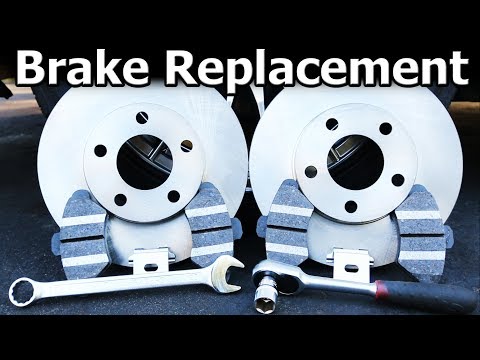
A "brake job" is a broad term that can mean different things depending on who you ask. In most modern service departments, a standard brake replacement involves two main components: the brake pads and the brake rotors.
- Brake Pads: These are the friction material. They are removable slabs that sit inside the caliper. When you step on the pedal, the caliper squeezes these pads against the spinning rotor to create the friction necessary to stop the car.
- Brake Rotors: These are the large metal discs that spin with your wheels. Over time, the heat and friction from the pads wear these discs down or cause them to warp.
- Brake Calipers: Think of these as the hydraulic clamps. They house the pistons that push the pads. While they do not always need replacement, they are a critical part of the system.
- Brake Hardware: This includes the clips, pins, and springs that ensure the pads move smoothly and do not rattle.
A complete service should also involve an inspection of the brake lines and the master cylinder. In some cases, a brake fluid exchange is recommended to keep the hydraulic system free of moisture and contaminants.
2012 Honda Accord Brake Replacement Cost Breakdown
Parts Cost
For a 2012 Honda Accord, parts prices fluctuate based on whether you choose Original Equipment Manufacturer (OEM) parts from Honda or aftermarket parts from a local parts store.
- Brake Pads: A set of quality ceramic brake pads for one axle (covering both wheels) usually costs between $60 and $100.
- Brake Rotors: A pair of standard rotors for one axle typically costs between $100 and $200.
If you choose performance-grade slotted rotors or high-end premium ceramic pads, these costs can increase. Conversely, economy-grade "white box" parts may be cheaper but often lead to annoying squeaks or a shorter lifespan.
Labor Cost
The brake repair labor cost for a Honda Accord is relatively straightforward for an experienced technician. Most shops charge between 1.5 to 2.0 hours of labor per axle.
Depending on your location, labor rates can range from $100 per hour at a small independent shop to over $200 per hour at a dealership in a major metropolitan area. Therefore, expect the labor portion of your bill to be between $150 and $400 per axle. This makes the total brake replacement cost a combination of roughly 40% parts and 60% labor in many regions.
What Can Make the Repair More Expensive?
While the ranges above cover a standard "pad and rotor" service, several factors can push your bill higher:
- Caliper Replacement: If a brake caliper is "frozen" (stuck) or leaking fluid, it must be replaced for safety. A single caliper can add $150 to $300 to the bill.
- Rust and Corrosion: If you live in the "Salt Belt," rusted bolts can snap or require heat to remove. This increases the labor time and can lead to a higher overall brake repair price.
- Brake Fluid Flush: This is a legitimate maintenance item. Honda recommends changing brake fluid every three years regardless of mileage. This service usually costs an additional $100 to $150.
- Rear Brake Complexity: Some versions of the Accord require specific tools to retract the brake piston. If the hardware is excessively corroded, the rear brakes can sometimes take longer than the front.

Dealership vs. Independent Repair Shop
Where you take your Accord matters for both your wallet and your warranty.
- Dealership: A Honda dealership will use OEM parts and have factory-trained technicians. This is usually the most expensive option, but the parts often come with a national warranty valid at any Honda dealer.
- Independent Shop: A reputable independent shop is usually 20% to 30% cheaper than a dealer. They use high-quality aftermarket parts that often meet or exceed OEM specs.
- Specialty Brake Shop: These shops focus exclusively on under-car repairs. They are often fast and competitively priced, but be wary of "low-ball" advertised specials that only cover the cheapest pads and ignore the rotors.
- DIY Repair: If you have the tools and the "know-how," you can do the job for the price of parts alone (roughly $150 to $250 per axle). However, brakes are your vehicle's most critical safety system; if you are not confident, leave it to the professionals.
Can I Drive With This Problem?
Is brake replacement worth it? Absolutely. It is the single most important safety maintenance item on your car. Whether you can drive with brake problems while waiting for the repair depends on the specific symptoms:
- Squeaking: If you have a faint squeak when braking, it is usually the "wear indicator" (a small metal tab) telling you the pads are low. You can typically drive for a few more days, but you should schedule an appointment immediately.
- Grinding: If you hear a loud grinding noise (metal-on-metal), DO NOT DRIVE the vehicle. This means the friction material is gone. Metal-on-metal contact reduces your stopping power significantly and can cause the brakes to overheat and fail entirely.
- Soft Pedal: If the brake pedal feels "spongy" or sinks to the floor, the vehicle is unsafe. This indicates air in the lines or a hydraulic failure.
How to Avoid Paying for Unnecessary Repairs
The best way to avoid overpaying is to ask for hard data. Unlike engine problems where an OBD-II code tells part of the story, brake diagnosis is largely visual and physical. A technician should provide you with the remaining thickness of the brake pads in millimeters (mm).
- New pads: 10mm to 12mm.
- Recommendation for replacement: 3mm.
- Safety emergency: 1mm or less.
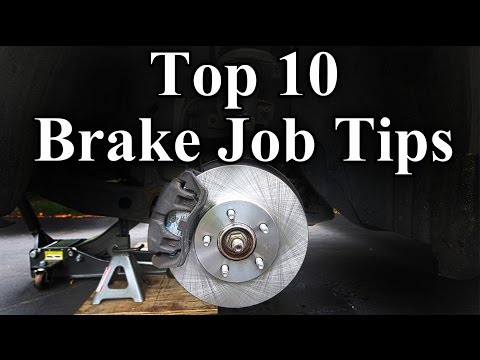
Regarding rotors, ask if they can be "resurfaced" (machined) instead of replaced. While many modern shops prefer replacing rotors because they are thinner and more prone to warping than rotors of the past, resurfacing can sometimes save you $100 if the rotors have enough thickness left. However, if the rotors are "below discard" (too thin) or heavily rusted, replacement is the only safe option.
Questions to Ask the Repair Shop
Before you authorize the work, ask these four questions to ensure you know what you are paying for:
- Does the estimate include both pads and rotors, or just pads? Avoid shops that just "slap pads" on old, worn rotors, as this leads to noise and poor performance.
- Are you using ceramic or semi-metallic pads? Ceramic is generally preferred for a 2012 Accord for less noise and dust.
- Are new hardware clips included in the price? Reusing old, rusty clips can cause brake noise and uneven wear.
- What is the warranty on the parts and the labor? A standard professional warranty is usually 12 months or 12,000 miles.
Bottom Line
A 2012 Honda Accord brake replacement is a standard maintenance item that most owners will face every 30,000 to 60,000 miles. While how much brake repair costs can vary based on your location and the specific parts used, you should expect to pay around $400 per axle on average for a professional job.
Do not ignore the warning signs. Investing in a quality brake job now prevents expensive caliper damage and, more importantly, ensures your vehicle remains safe on the road. When you consider the risks of brake failure, the brake replacement cost is a small price to pay for peace of mind.



No Comments Yet
Be the first to comment on this article.