Curtis.Castiglione@ROzebra.com

1970s Automobile Recalls History
SEO Title: 1970s Automobile Recalls: History, Safety, and Impact
Meta Description: Explore the massive 1970s automobile recalls, including the 1971 GM motor mount defect and Firestone 500 tires. Learn how these cases shaped modern safety.
URL Slug: 1970s-automobile-recalls-safety-history
Focus Keyword: 1970s automobile recalls
Secondary Keywords: 1971 GM recall, Firestone 500 recall, NHTSA safety history, motor mount failure, vehicle safety defects
The 1970s: When Automobile Recalls Became a National Issue
The 1970s represented a turning point for everyone who gets behind the wheel of a car. Before this decade, the concept of a "recall" was often handled quietly behind dealership doors or ignored altogether. However, as vehicle complexity increased and the federal government began to take a more active role in consumer protection, the 1970s saw the birth of the modern safety recall system.
If you are a collector of classic cars or a history enthusiast, understanding this era is vital. This was the decade when the National Highway Traffic Safety Administration (NHTSA) proved it had the power to force the world's largest corporations to fix dangerous mistakes. Two massive events—the 1971 General Motors motor mount recall and the 1978 Firestone 500 tire recall—defined the risks and responsibilities that still govern the automotive industry today.

Recall Overview
NHTSA Campaign Numbers: 71V235000 (GM), 78T027000 (Firestone)
Manufacturer Recall Numbers: 72-C-05 (GM)
Recall Dates: 1971 and 1978
Components Affected: Engine Motor Mounts, Steel-Belted Radial Tires
Safety Risk: Unintentional acceleration, loss of vehicle control, and high-speed tire failure.
Recall Status: Historical (Most campaigns closed, but safety principles remain).
Why This Recall Was Issued
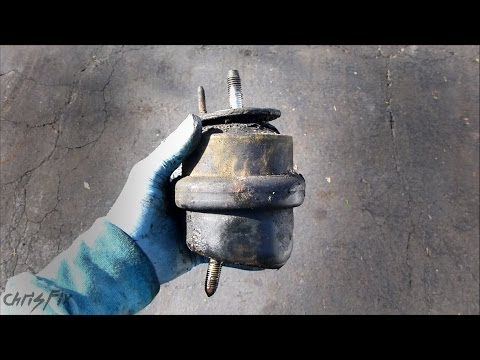
In the early 1970s, a fundamental mechanical failure in General Motors vehicles created a terrifying scenario for drivers. The defect involved the motor mounts, which are the heavy-duty brackets that secure the engine to the vehicle's frame. These mounts use rubber bonded to metal to dampen engine vibrations. In millions of GM vehicles, that rubber could separate from the metal bracket.
When the mount failed, the left side of the engine could lift upward during acceleration. Because the throttle linkage was connected to the frame, this engine movement would physically pull the throttle cable or linkage. This resulted in the engine being pulled "wide open," causing the car to accelerate uncontrollably. To make matters worse, the tilting engine could also interfere with the power steering and power brake vacuum lines, making it nearly impossible to stop or steer the vehicle while it was racing forward.
Later in the decade, the industry faced a different kind of crisis with the Firestone 500 steel-belted radial. These tires were prone to "tread separation." Moisture would seep into the tire during the manufacturing process or through the rubber, causing the internal steel belts to rust. This weakened the bond between the belts and the tread, leading to the tire literally falling apart at highway speeds.
Affected Vehicles
The 1970s automobile recalls involved staggering numbers of vehicles. The GM campaign alone covered approximately 6.7 million cars.
Manufacturer: General Motors (Chevrolet, GMC, Buick, Oldsmobile, Pontiac)
Models: Various full-size cars, pickups, and intermediate models (e.g., Chevrolet Impala, Bel Air, Nova, Camaro).
Model Years: 1965–1970
Powertrain: V8 engines were primarily affected due to the high torque output required to lift the engine.
The Firestone campaign was even larger in terms of individual units.
Manufacturer: Firestone Tire and Rubber Company
Product: Firestone 500 Steel-Belted Radials
Units: Approximately 14.5 million tires
Years: Produced between 1972 and 1978
Common Symptoms
During this era, drivers often had little warning before a catastrophic failure, but there were some telltale signs.
For the GM motor mount defect:
- Excessive engine vibration while idling.
- A "clunking" sound from the engine bay when shifting from Reverse to Drive.
- The feeling of the car "jerking" upward under heavy acceleration.
- Difficulty shifting gears as the engine moved out of its intended alignment.
For the Firestone 500 tire defect:
- Visible "bubbles" or bulges in the tire sidewall or tread area.
- Unusual steering wheel vibration or "wobble" at low speeds.
- Rapid air loss or "slow leaks" that could not be attributed to a puncture.
- Visible cracks in the tread grooves.

What Can Happen If The Recall Isn't Repaired?
The safety risks of these 1970s defects were extreme. In the case of the GM motor mounts, a failure meant the driver lost primary control over the speed of the vehicle. If the throttle became stuck open while the engine was tilted, the car would continue to accelerate even if the driver lifted their foot off the pedal. This led to numerous high-speed crashes, particularly in parking lots or intersections where the driver was accelerating from a stop.
With the Firestone 500 tires, the primary risk was a high-speed blowout. When the tread separated from the steel belts, the tire would disintegrate. This often happened at highway speeds, leading to rollovers or head-on collisions. These incidents proved that even a "component" like a tire could be just as dangerous as a mechanical engine defect.
Is It Safe To Drive?
If you are currently driving a vintage vehicle from the 1960s or 1970s, you should not assume these repairs were ever performed.
If your vehicle has original-style motor mounts that show signs of cracking or dry rot, it should be parked until the mounts are replaced. A broken motor mount is a critical safety failure.
Regarding tires, any Firestone 500 tire found on a classic car today is over 45 years old. Regardless of the recall status, tires of this age are structurally unsafe for road use due to dry rot and internal degradation. They should be replaced immediately before the vehicle is driven.
How To Check If Your Vehicle Is Included
Checking for 1970s automobile recalls on vehicles manufactured before 1981 can be more difficult because the standardized 17-digit VIN (Vehicle Identification Number) system was not yet in place.
- Locate your VIN: On 1960s and 70s GM vehicles, this is usually on a plate attached to the top of the dashboard on the driver's side, visible through the windshield.
- Use the NHTSA Lookup: While the NHTSA's modern online tool works best for 17-digit VINs, their historical database can still be searched by year, make, and model.
- Manufacturer Records: Contact a local Chevrolet or GM heritage center. While modern dealers may not have records dating back to 1971, they can often direct you to archival resources.
- Physical Inspection: For the motor mount recall, a qualified mechanic can visually inspect the mounts. The "fix" at the time often involved installing a restraint cable or "stop" to prevent the engine from lifting too far if the mount broke.
Recall Remedy
For the GM motor mount recall, the remedy was not always a replacement of the mount itself. Instead, dealers installed "engine stop" cables or brackets. These restraints allowed the engine to vibrate normally but physically prevented it from lifting high enough to interfere with the throttle linkage in the event of a mount failure. This repair was provided free of charge to owners.
For the Firestone 500 recall, the company was required to replace the defective tires with newer models (such as the Firestone 721) or provide a pro-rated refund. In modern times, any classic car owner should simply buy new, modern radial tires rather than seeking a 1970s-era remedy.
Frequently Asked Questions
Can I still get a free repair for a 1971 recall today? Generally, no. Most recall campaigns have a "reasonable period" for completion, and these specific campaigns are decades old. However, the safety defect remains. If you own one of these vehicles, you should pay a mechanic to install updated mounts or restraints as a safety precaution.
How did the 1970s change car safety? This decade saw the introduction of mandatory standards for brake hoses, windshield wipers, fuel system crashworthiness, and steering columns. It moved the industry from "buyer beware" to manufacturer accountability.
Was the GM motor mount recall the largest ever? At the time, 6.7 million vehicles was an unprecedented number. It remained one of the largest recalls in history for decades, eventually surpassed only by modern airbag and ignition switch recalls.
What happened to the Firestone company after the recall? The Firestone 500 scandal severely damaged the company's reputation and led to a significant financial crisis, eventually contributing to its merger with Bridgestone in the late 1980s.
Is my 1970s classic car safe to drive today? Classic cars lack modern safety features like airbags and crumple zones. However, they can be made "road-safe" by ensuring all historical recalls were addressed and by replacing age-sensitive components like rubber bushings, motor mounts, and tires.
Final Thoughts
The 1970s were a foundational era for automotive safety. The massive 1970s automobile recalls taught manufacturers that they could not ignore defects affecting millions of people. It also taught consumers that they had a right to a vehicle that wouldn't accelerate on its own or lose a tire on the highway.
If you own a vehicle from this era, take the time to inspect its mechanical integrity. Verify that your motor mounts are secure and that your tires are modern and roadworthy. History shows us that a single defective part can have national consequences—don't let it become a personal one.
Written by Curtis Castiglione



No Comments Yet
Be the first to comment on this article.